
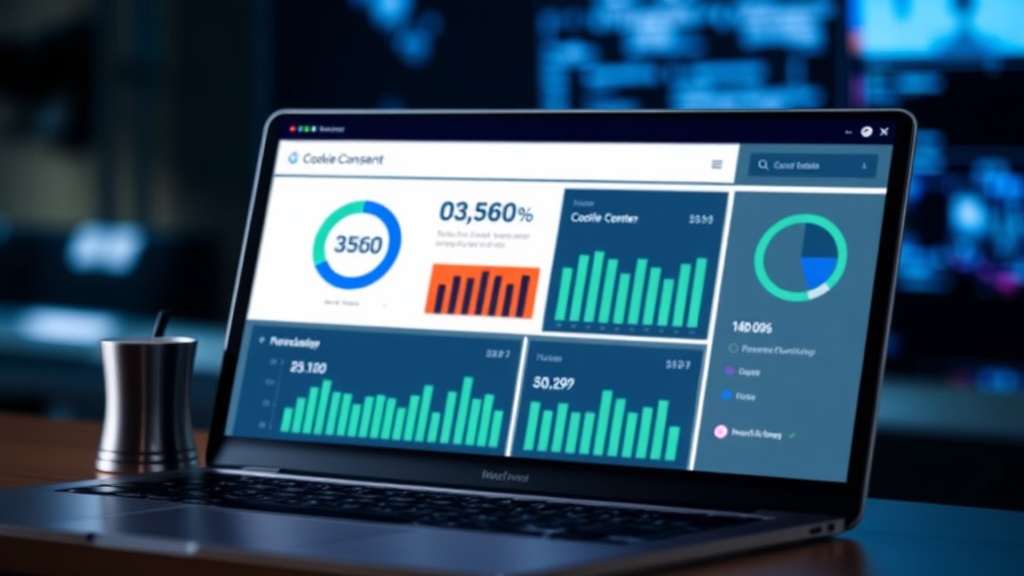
Understanding the Importance of a Cookie Consent Dashboard
In my experience with digital compliance, I’ve discovered that a cookie consent dashboard is absolutely essential for maintaining transparency with users and adhering to privacy regulations. When I first started working on website compliance, I quickly realized that managing cookie consents manually was not only cumbersome but also prone to errors. That’s when I decided to explore the benefits of a cookie consent dashboard—and I’ve found that it truly transforms how we handle user data consent.
From what I’ve learned, a cookie consent dashboard acts as the central hub for managing cookies, giving visitors clear options to accept, decline, or customize their preferences. It’s more than just a compliance tool; it’s a way to build trust and improve user experience. I want to share what I’ve discovered about how this solution not only keeps us compliant but also enhances our site’s reputation by respecting user choices. In my opinion, deploying a well-designed cookie consent dashboard is a smart move for any digital business aiming for transparency and legal safety.
Key Features to Look for in a Cookie Consent Dashboard
When I was selecting a cookie consent dashboard, I realized that certain features are crucial to maximize its effectiveness. First, I recommend looking for a customizable interface. In my experience, a cookie consent dashboard that allows tailored designs ensures it fits seamlessly with your website’s branding, making it feel more integrated and less intrusive for users.
Another feature I found essential is granular consent options. From my research, I discovered that users appreciate being able to choose which types of cookies they consent to—such as analytics, advertising, or functional cookies. This level of control not only boosts user trust but also helps ensure your compliance with GDPR, CCPA, and other regulations. I believe that a cookie consent dashboard with built-in analytics and reporting tools is invaluable. These features help me monitor consent rates and adjust strategies accordingly, ensuring ongoing compliance and improved user engagement.
Furthermore, I recommend choosing a cookie consent dashboard that offers multi-language support and accessibility features. In my experience, these aspects make your site more inclusive and compliant with diverse user needs. By prioritizing these key features, I’ve found that my cookie consent dashboard not only meets legal standards but also fosters a positive relationship with visitors.
Implementing a Cookie Consent Dashboard Effectively
Implementing a cookie consent dashboard correctly is critical for maximizing its benefits. In my journey, I’ve learned that integration is the first step—embedding the dashboard seamlessly with your website’s framework and ensuring it loads quickly. I recommend testing the dashboard across different devices and browsers to guarantee a consistent user experience. From what I’ve found, a poorly integrated cookie consent dashboard can frustrate visitors and lead to non-compliance issues.
Once integrated, I suggest customizing the language and design to align with your brand. I’ve discovered that clear, concise messaging about cookies and privacy rights helps users understand their choices better. In my experience, transparency is key—so I always ensure that the cookie consent dashboard provides detailed information about what each cookie does and why it’s used. Additionally, I recommend setting up automated consent logs and audit trails. From my research, these records are vital for demonstrating compliance during audits and legal inquiries.
Finally, I advise regularly updating your cookie consent dashboard to reflect changes in regulations or website features. In my opinion, staying proactive in management ensures continuous compliance and fosters trust with your audience. Using a flexible, easy-to-manage cookie consent dashboard makes this process smoother and more effective.
Best Practices for Compliance and User Experience
balancing compliance with user experience is the secret to success when using a cookie consent dashboard. I recommend always prioritizing clarity—make sure your cookie notices are straightforward and avoid confusing jargon. I’ve found that users appreciate transparency, and a cookie consent dashboard that clearly explains cookie use improves acceptance rates.
Another best practice I follow is giving users granular control over their cookie preferences. From what I’ve learned, a cookie consent dashboard that allows users to customize their settings results in higher trust and satisfaction. I also suggest implementing a “reject all” option for those who prefer minimal data collection, and ensuring that opting out doesn’t impair their browsing experience.
ongoing user education about privacy rights and how your cookie consent dashboard works is essential. Regularly updating your privacy policies and communicating any changes helps maintain transparency and compliance. From my perspective, a well-designed cookie consent dashboard ultimately supports a positive relationship with visitors, fostering loyalty and trust.
Resources and Tools for Your Cookie Consent Dashboard
Throughout my research on cookie consent dashboard, I’ve found these resources incredibly valuable. I recommend checking them out for additional insights:
Authoritative Sources on cookie consent dashboard
-
GDPR.eu: Cookie Management and Compliance
gdpr.euThis resource offers comprehensive guidance on GDPR compliance related to cookies and how a cookie consent dashboard can help ensure your website adheres to regulations.
-
MDN Web Docs: Cookies and Privacy Policies
developer.mozilla.orgI’ve learned a lot from MDN about how cookies work and how to implement consent mechanisms effectively with a cookie consent dashboard.
-
IAB: Privacy and Consent Guidelines
iab.comFrom my research, IAB’s guidelines help you understand industry standards for implementing a cookie consent dashboard that aligns with best practices.
-
PrivacyTrust Resources
privacytrust.comI recommend PrivacyTrust’s toolkit for understanding how to implement and manage a cookie consent dashboard effectively and legally.
-
W3C Privacy Standards
w3.orgIn my experience, W3C standards provide essential guidance on privacy and cookies, helping me develop compliant cookie consent dashboards.
-
NOYB: Noyb.eu Privacy Advocacy
noyb.euThis organization advocates for stronger privacy rights and provides resources on implementing effective cookie consent dashboards in compliance with EU laws.
-
TechCrunch Privacy Coverage
techcrunch.comFrom my experience reading TechCrunch, I see real-world stories about how companies implement cookie consent dashboards to stay compliant and improve user trust.
-
Information & Communications Journal
sagepub.comAcademic insights on privacy policies and consent mechanisms, helping me design more compliant cookie consent dashboards.
Frequently Asked Questions
What is a cookie consent dashboard and why is it important?
a cookie consent dashboard is a tool that allows website owners to inform visitors about cookie usage and obtain their consent. It’s important because it helps us comply with privacy laws like GDPR and CCPA while building trust with our audience.
How can a cookie consent dashboard improve user experience?
From what I’ve seen, a well-designed cookie consent dashboard provides clear choices, respects user preferences, and explains cookies simply. This transparency makes visitors feel respected and more likely to trust your website.
What features should I look for in a cookie consent dashboard?
I recommend choosing a cookie consent dashboard that is customizable, offers granular controls, and provides analytics. These features help me manage compliance effectively while enhancing user trust.
How do I ensure my cookie consent dashboard remains compliant?
I’ve found that staying updated on privacy regulations, regularly reviewing your consent logs, and updating your dashboard accordingly are key. A cookie consent dashboard that is flexible and easy to update makes this process manageable.
Can a cookie consent dashboard help me stay ahead of compliance deadlines?
Yes, in my experience, a robust cookie consent dashboard allows me to automate updates, monitor user preferences, and generate compliance reports, making it easier to stay ahead of deadlines and legal requirements.
Conclusion
In conclusion, my research on cookie consent dashboard solutions has shown me how vital they are for both compliance and user experience. I believe that selecting the right dashboard with the right features can significantly streamline cookie management, foster trust, and ensure legal adherence. Based on my experience, I highly recommend investing in a cookie consent dashboard that is customizable, transparent, and easy to maintain. I hope this guide helps you understand the importance of this tool and motivates you to implement an effective solution for your website.

Find out more information about “cookie consent dashboard”
Search for more resources and information: