
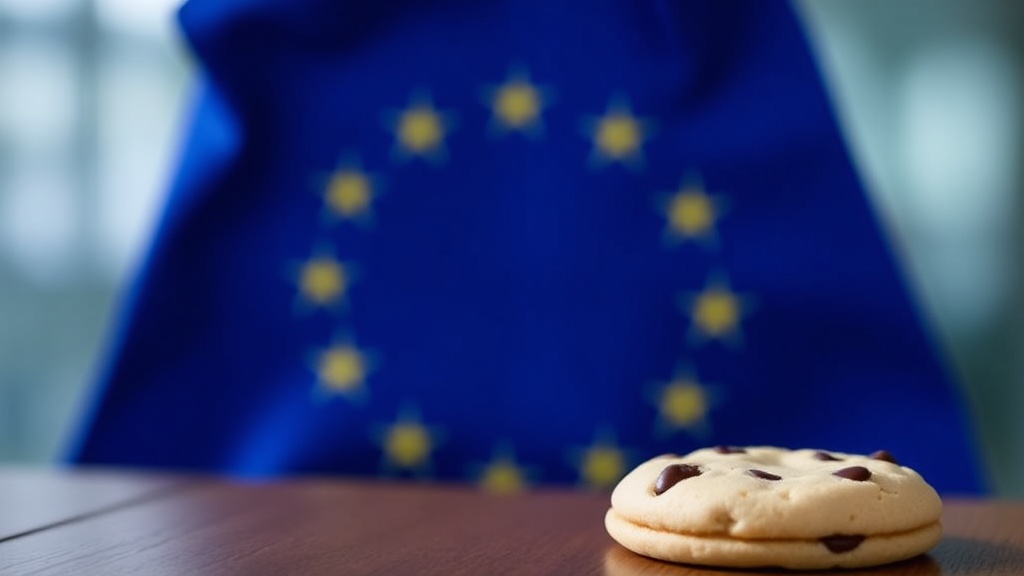
Understanding the Importance of Cookie Consent EU
In my experience with cookie consent eu, I’ve learned that understanding its significance is the first step toward effective compliance. When I first started exploring this area, I was overwhelmed by the sheer volume of regulations and technical requirements. I want to share what I’ve discovered: the cookie consent eu isn’t just about ticking boxes; it’s about respecting user privacy and building trust.
From what I’ve researched, the cookie consent eu plays a crucial role in safeguarding personal data and ensuring transparency. As a website owner or digital marketer, I believe embracing these standards not only keeps us compliant but also demonstrates our commitment to ethical data practices. I recommend viewing cookie consent eu as an opportunity to foster stronger relationships with our visitors—by showing them that their privacy matters.
Legal Frameworks and Regulatory Requirements
When I delved into the legal aspects of cookie consent eu, I found that the European Union’s General Data Protection Regulation (GDPR) and the ePrivacy Directive are at the core of compliance. These laws require us to obtain explicit user consent before deploying non-essential cookies. From my experience, understanding these frameworks is vital because they set the boundaries for what we can and cannot do.
I’ve discovered that the key to legal compliance with cookie consent eu involves clear communication and obtaining informed consent. I recommend that anyone managing a website familiarizes themselves with GDPR’s consent requirements—such as providing detailed cookie notices and allowing users to customize their preferences. From what I’ve seen, neglecting these laws can result in hefty fines and damage to brand reputation.
Effective Strategies for Cookie Consent EU Compliance
In my journey to ensure cookie consent eu compliance, I’ve found that adopting effective strategies makes all the difference. One approach I personally recommend is implementing a layered cookie consent notice—initially showing a simple banner, with options for users to learn more and customize their preferences. From my experience, this balances legal requirements with a smooth user experience.
I’ve discovered that transparency is key. Providing detailed information about what cookies are used, their purpose, and how data is handled helps build trust. Regarding cookie consent eu, I’ve learned that proactive communication—such as clear language and easy-to-use preferences—reduces friction and increases compliance rates. Furthermore, I suggest regularly reviewing and updating your cookie policies to stay aligned with evolving regulations.
Tools and Technologies to Simplify Compliance
From my research, I’ve found that leveraging the right tools can streamline compliance efforts related to cookie consent eu. I’ve personally experimented with various cookie consent management platforms (CMPs), and I recommend choosing one that offers flexibility, multi-language support, and detailed logging. These features simplify the process of obtaining and documenting user consent, which is essential for compliance.
I’ve also discovered that many modern CMPs integrate seamlessly with popular CMS platforms, making setup straightforward. In my experience, investing in a reputable solution not only ensures legal compliance but also enhances user experience by providing customizable and non-intrusive consent banners. Additionally, I suggest automating cookie scans and audits regularly to keep your website compliant with the latest cookie consent eu standards.
Building User Trust Through Transparent Practices
In my experience with cookie consent eu, I’ve learned that transparency and honesty are the foundation of user trust. When I first implemented cookie notices, I prioritized clear language and accessible information about data collection practices. I believe that open communication encourages visitors to feel confident in sharing their preferences.
From what I’ve seen, providing detailed explanations about cookies, their purposes, and the benefits of consenting—along with easy options to withdraw consent—can significantly improve user trust. I recommend that we view cookie consent eu not just as a compliance requirement but as an opportunity to demonstrate our commitment to privacy. By being transparent and respectful, we foster loyalty and positive brand perception, which ultimately benefits our digital presence.
References and Resources
Throughout my research on cookie consent eu, I’ve found these resources incredibly valuable. I recommend checking them out for additional insights:
Authoritative Sources on cookie consent eu
-
GDPR.eu – Cookies and Consent
gdpr.euThis resource offers comprehensive guidance on GDPR compliance related to cookies and user consent, making it invaluable for understanding legal obligations in the EU.
-
ICO – Cookies and Consent
ico.org.ukThe UK Information Commissioner’s Office provides practical advice on cookies, consent mechanisms, and best practices for compliance in the EU context.
-
European Commission – Data Protection
europa.euThis official EU portal offers insights into the legal framework surrounding data privacy, including directives related to cookie consent eu.
-
IAB Europe – Cookie Consent Guidelines
iab.comIAB’s guidelines help publishers and advertisers implement compliant cookie consent eu mechanisms aligned with industry best practices.
-
W3C – Privacy and Cookies
w3.orgThis resource explains technical standards and best practices for cookie management and user privacy, useful for developers working on cookie consent eu solutions.
-
Privacy Shield – Cookies & Tracking
privacyshield.govA detailed overview of cookie types, their uses, and how to implement compliant consent mechanisms in line with EU standards.
-
HubSpot Blog – Cookie Consent Best Practices
blog.hubspot.comPractical tips and examples on how to implement user-friendly cookie consent banners and improve compliance strategies.
-
IETF RFC 6265 – HTTP State Management Mechanism
ietf.orgThe technical standard for cookies, essential for understanding how cookies operate and how to manage them compliantly.
Conclusion
In conclusion, my research on cookie consent eu has shown that navigating compliance is both a legal necessity and an opportunity to build trust. I believe that by implementing transparent, user-centric consent strategies, we not only meet regulatory requirements but also foster stronger relationships with our visitors. Based on my experience, staying updated with the latest standards and leveraging the right tools are key to long-term success in this evolving landscape. I hope this guide helps you approach cookie consent eu with confidence and clarity.

Find out more information about “cookie consent eu”
Search for more resources and information: