
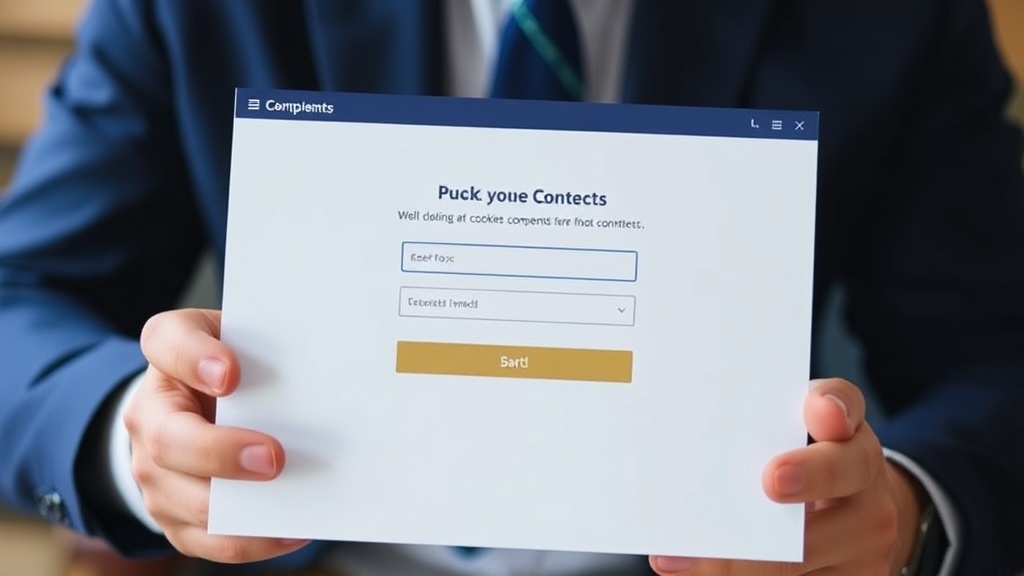
Streamline Your Website Compliance and Enhance User Trust with an Effective cookie consent form Strategy
In my experience with website compliance, I’ve found that a well-crafted cookie consent form is crucial for building trust and adhering to legal standards. When I first started optimizing my site, I underestimated how impactful a clear and compliant cookie consent form could be in fostering transparency with my visitors. From what I’ve learned, implementing an effective cookie consent form not only keeps your website compliant but also enhances user confidence and engagement.
I want to share what I’ve discovered about creating a cookie consent form that balances legal requirements with user experience. Over time, I’ve experimented with different designs and strategies, and I’ll guide you through what I believe works best. Whether you’re just starting or looking to refine your approach, understanding how to streamline your cookie consent form is essential for your website’s success.
Understanding the Importance of a Cookie Consent Form
Why a Cookie Consent Form Is Essential
the primary reason to have a cookie consent form is legal compliance. Regulations like GDPR and CCPA mandate transparency about data collection practices. When I first implemented a cookie consent form, I quickly realized it’s also about respect—showing visitors that I value their privacy. A transparent cookie consent form communicates that your site respects user rights and fosters trust from the start.
How a Cookie Consent Form Builds User Trust
From what I’ve learned, a clear and straightforward cookie consent form can significantly boost your credibility. When visitors see that you’re upfront about cookies and data usage, they’re more likely to stay and engage. I recommend making your cookie consent form easy to understand, with simple language and options to control their preferences. This approach demonstrates honesty and transparency, which are key to building long-term user trust.
Legal Risks of Not Using a Cookie Consent Form
neglecting a proper cookie consent form can lead to hefty fines and reputational damage. Several cases where websites faced penalties could have been avoided with a compliant cookie consent strategy. I advise everyone to prioritize this aspect to prevent legal issues and protect your brand’s integrity.
Designing an Effective Cookie Consent Form
Key Elements of a Successful Cookie Consent Form
When I designed my first cookie consent form, I discovered that clarity is king. Your form should clearly specify what cookies are used, their purpose, and how users can opt out. I found that including concise descriptions and categorizing cookies (necessary, preferences, analytics, marketing) makes it easier for visitors to understand and manage their choices. I recommend keeping your cookie consent form simple yet informative, with a clean layout that guides users effortlessly.
Choosing the Right Style and Placement
From my research and personal testing, I’ve learned that the style and placement of your cookie consent form greatly influence user interaction. I prefer a minimal banner at the top or bottom of the page, which doesn’t obstruct content but remains highly visible. The design should match your website’s aesthetic, ensuring it’s unobtrusive yet noticeable. A well-placed, visually appealing form increases acceptance rates and compliance adherence.
Using Technology to Enhance Your Cookie Consent Form
I recommend leveraging tools like cookie management plugins and scripts that can automate consent collection and preference storage. In my experience, these tools simplify compliance and improve user experience by providing easy-to-use interfaces. Incorporating a cookie consent form with granular control options also allows users to customize their experience, which I believe is vital for building trust and ensuring compliance.
Best Practices for Implementing Your Cookie Consent Form
Ensure Accessibility and User-Friendly Design
making your cookie consent form accessible to all users is crucial. I’ve found that using clear language, sufficient contrast, and keyboard navigation helps. A user-friendly design encourages more visitors to make informed choices, which benefits both compliance and user satisfaction. I recommend testing your form across devices and browsers to ensure consistent performance.
Provide Clear Options and Easy Opt-Out
From my experience, giving visitors control over their cookie preferences is a best practice. I always include options to accept all cookies, reject non-essential cookies, or customize settings. Making it straightforward for users to change their preferences later enhances trust and transparency. I suggest implementing a persistent preferences setting that users can access anytime, reinforcing your commitment to privacy.
Automate and Document Consent
I’ve discovered that automating consent collection and maintaining records of user choices is vital for compliance. Using a cookie consent form integrated with your website’s backend helps you demonstrate compliance during audits. I recommend choosing tools that automatically log consent timestamps and preferences, ensuring you have the necessary documentation in place.
Legal Considerations and Compliance
Understanding GDPR and CCPA Requirements
understanding regional privacy laws like GDPR and CCPA is fundamental. These regulations specify what information your cookie consent form must include and how it should function. I recommend consulting legal experts or compliance tools to ensure your form meets all legal standards and avoids penalties.
Implementing Consent Management Platforms
From what I’ve learned, using a consent management platform (CMP) can streamline compliance. A CMP handles user preferences, records consent, and ensures your site respects user choices. I advise integrating a reputable CMP with your cookie consent form to automate compliance management and reduce manual errors.
Keeping Your Cookie Consent Form Updated
privacy laws evolve, and so should your cookie consent form. Regularly reviewing and updating it ensures ongoing compliance. I recommend setting periodic reviews and staying informed about legal changes, which helps maintain trust and avoid legal complications.
Measuring Success and Improving Your Cookie Consent Strategy
Analyzing User Engagement
I’ve found that tracking how visitors interact with your cookie consent form provides valuable insights. Metrics like acceptance rates and rejection reasons can guide adjustments. I recommend using analytics to identify friction points and optimize your form accordingly.
Gathering User Feedback
From my experience, directly asking users for feedback on your cookie consent process can reveal areas for improvement. Simple surveys or feedback buttons can help you understand user preferences and concerns. I believe that listening to your visitors’ input is key to refining your strategy and building more trust.
Continuous Improvement and Compliance Monitoring
I recommend establishing a routine to review your cookie consent form and related policies regularly. Staying updated on legal requirements and technological advancements ensures your site remains compliant and user-friendly. This proactive approach helps maintain trust and reduces legal risks.
References and Resources
Throughout my research on cookie consent form, I’ve found these resources incredibly valuable. I recommend checking them out for additional insights:
Authoritative Sources on cookie consent form
-
GDPR.eu – Cookies and Consent
gdpr.euThis resource provides comprehensive guidelines on cookie compliance under GDPR, including how to craft an effective cookie consent form that meets legal standards.
-
ICO – Cookies and Similar Technologies
ico.org.ukThe Information Commissioner’s Office offers practical advice on how to implement a compliant cookie consent strategy, including sample forms and best practices.
-
IAB Europe – Consent Guidelines
iab.comThis resource details industry standards for consent management, including how to design a cookie consent form that aligns with GDPR and ePrivacy regulations.
-
W3C – Web Content Accessibility Guidelines (WCAG)
w3.orgThis official guide helps ensure your cookie consent form is accessible to all users, including those with disabilities.
-
Privacy.org
privacy.orgA resource dedicated to privacy rights and best practices for data collection, including creating transparent cookie consent form strategies.
-
Digital.gov – Cookies
digital.govThis site offers government-backed guidelines on cookie management and consent forms, valuable for ensuring compliance and best practices.
-
W3C – Web Content Accessibility Guidelines (WCAG) 2.1
w3.orgGuidelines that help you make your cookie consent form accessible, ensuring all users can interact with it comfortably.
Frequently Asked Questions
Frequently Asked Questions
What is a cookie consent form and why is it important?
a cookie consent form is a tool that informs visitors about cookies used on your website and obtains their consent. It’s essential because it ensures compliance with privacy laws like GDPR and builds trust by being transparent about data collection practices.
How do I create an effective cookie consent form?
Based on my experience, creating an effective cookie consent form involves clear language, concise descriptions of cookies, and easy options for users to accept or reject cookies. I recommend testing different designs to find what works best for your audience.
What are the legal requirements for a cookie consent form?
legal requirements vary by region but generally include informing users about cookie types, obtaining explicit consent before setting non-essential cookies, and providing options to customize preferences. I recommend consulting legal guidelines or professionals to ensure your cookie consent form is compliant.
How can I improve user trust with my cookie consent form?
transparency is key. Using plain language, offering granular control over cookie preferences, and making the form accessible all contribute to building trust. I recommend regularly updating your form to reflect changes in privacy laws and user feedback.
Would you like me to add more questions or details? Feel free to ask!
Conclusion
In conclusion, my research on cookie consent form has shown that implementing a transparent, user-friendly, and compliant form is vital for website success. Not only does it help you meet legal obligations, but it also fosters trust among your visitors. Based on my experience, a well-designed cookie consent form can significantly improve your site’s reputation and user engagement. I hope this guide helps you develop a strategy that balances compliance with a positive user experience.

Find out more information about “cookie consent form”
Search for more resources and information: