
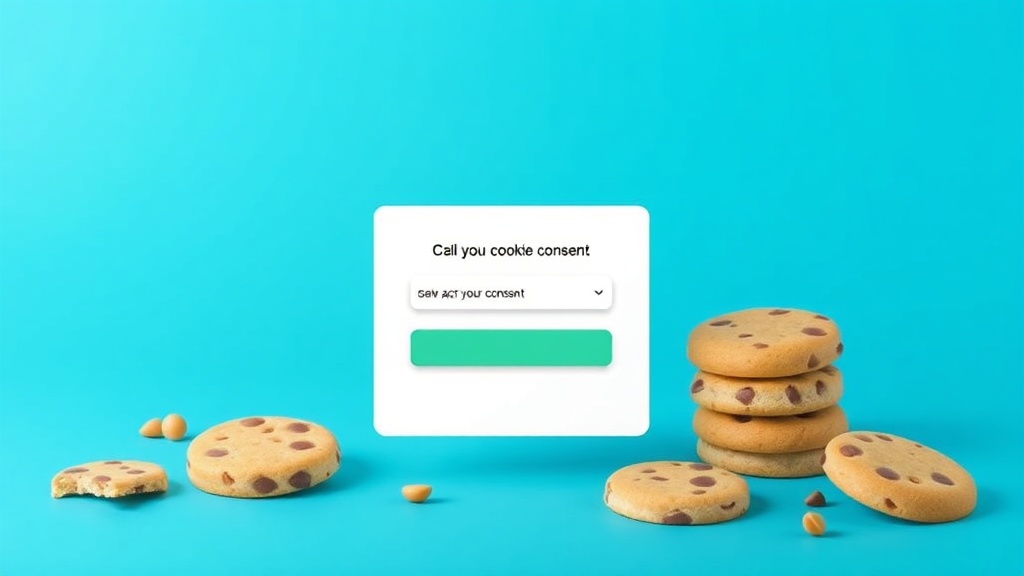
the cookie consent popup is more than just a compliance tool — it’s a critical component that shapes how users perceive our websites. I’ve been researching best practices for a while, and I want to share what I’ve learned about leveraging a cookie consent popup to not only meet legal requirements but also enhance user experience. From what I’ve discovered, a well-designed cookie consent popup can significantly boost trust and engagement, making it a strategic asset rather than just a necessity.
In my experience with cookie consent popup solutions, I’ve found that many websites struggle with balancing compliance and user convenience. That’s why I’ve dedicated time to exploring innovative approaches that turn a compliance obligation into an opportunity for positive interaction. I want to share insights on how a cookie consent popup can be transformed into a seamless, user-friendly feature that benefits both the website owner and visitors. This guide aims to help you revolutionize your approach to cookie consent management.
Understanding the Importance of a Cookie Consent Popup
Why a Cookie Consent Popup Is Essential
From what I’ve learned, a cookie consent popup is fundamental for legal compliance, especially with regulations like GDPR and CCPA. In my experience, ignoring or poorly implementing it can lead to hefty fines and damaged reputation. But beyond legal obligations, I believe it’s an opportunity to communicate transparency and build trust with my users.
I’ve discovered that a clear and concise cookie consent popup reassures visitors that their privacy is respected. It also helps me demonstrate my commitment to ethical data practices. In essence, a well-crafted cookie consent popup is a bridge between legal compliance and user-centric design, and I recommend prioritizing it on every website.
Legal Requirements and Best Practices
My research shows that laws like GDPR require explicit user consent before deploying certain types of cookies. In my experience, a cookie consent popup should be transparent, easy to understand, and allow users to choose their preferences freely. I recommend providing detailed categories of cookies and granular options for consent to meet these standards effectively.
From what I’ve learned, neglecting these best practices can lead to non-compliance and potential penalties. Therefore, I always aim to implement a cookie consent popup that is compliant, user-friendly, and adaptable to evolving legal requirements. A proactive approach ensures that my website remains trustworthy and legally protected.
Features of an Effective Cookie Consent Popup
Core Elements That Make a Cookie Consent Popup Stand Out
the most effective cookie consent popup includes clear language, easy-to-navigate options, and a design that integrates seamlessly with the website’s aesthetics. I’ve found that transparency about what cookies are used for and offering users control over their choices increases trust.
From my research, I recommend incorporating features like customizable consent options, cookie categories, and an accessible interface. These elements not only improve compliance but also enhance the overall user experience, making visitors more likely to engage positively with your site.
Automation and Customization Capabilities
My experience shows that automation tools can simplify the management of a cookie consent popup, especially for websites with frequent updates. I’ve discovered that customizable scripts that adapt based on user behavior or regional requirements help maintain compliance effortlessly.
I recommend exploring solutions that offer flexibility in design and functionality, allowing you to tailor the cookie consent popup to match your branding and user expectations. Automation not only streamlines compliance but also ensures your site remains up-to-date with changing regulations.
Designing a User-Friendly Cookie Consent Popup
Design Principles for Maximum Engagement
a cookie consent popup that is visually appealing and unobtrusive encourages more users to accept cookies willingly. I’ve found that a minimalistic design with clear calls-to-action and contrasting colors improves readability and user engagement.
From what I’ve learned, I recommend keeping the popup simple yet informative, avoiding overwhelming users with too much information upfront. Instead, I prefer layered or segmented options that allow users to explore details at their own pace, making the consent process more comfortable and transparent.
Timing and Placement Strategies
My personal experience shows that the timing and placement of a cookie consent popup significantly impact acceptance rates. I recommend displaying it immediately upon page load, but with an option to dismiss or modify preferences easily later.
From my research, I believe that placing the popup in a consistent, non-intrusive location—such as the footer or header—while ensuring it doesn’t block essential content, strikes the right balance between visibility and user experience. Proper timing and placement can turn compliance into a positive interaction rather than an annoyance.
Implementation Strategies for Your Cookie Consent Popup
Choosing the Right Tools and Platforms
selecting a reliable cookie consent popup platform is crucial. I’ve discovered that tools like Cookiebot, OneTrust, and custom scripts offer robust features and compliance guarantees. I recommend evaluating your specific needs, such as customization options and ease of integration, before making a choice.
From what I’ve learned, integrating these tools seamlessly into your website can be straightforward if you follow best practices and ensure compatibility with your CMS or custom code. Proper implementation minimizes errors and maximizes the effectiveness of your cookie consent strategy.
Technical Deployment Tips
My personal experience shows that testing your cookie consent popup across different browsers and devices is essential. I recommend starting with a staging environment to fine-tune appearance, behavior, and compliance settings before going live.
From my research, I believe that clear documentation and regular updates are key to maintaining compliance and ensuring your cookie consent popup functions properly. Automation tools often include updates that help keep your site aligned with current regulations, which I find invaluable.
Measuring Success and Compliance
Monitoring User Interactions
tracking how users interact with the cookie consent popup provides valuable insights. I use analytics to see acceptance rates, preferences, and how many users dismiss the popup quickly. This data helps me refine the design and messaging for better engagement.
From what I’ve learned, I recommend setting up clear KPIs and regularly reviewing them to ensure compliance goals are met while maintaining a positive user experience. Adjustments based on these insights can significantly improve your website’s trustworthiness and legal standing.
Ensuring Ongoing Compliance
My personal approach involves staying updated with evolving privacy laws and adjusting my cookie consent popup accordingly. I believe that ongoing monitoring and updates are essential to avoid penalties and foster user trust.
I recommend integrating compliance checks into your website’s routine maintenance. Using automated tools and regular audits ensures your cookie consent popup remains compliant and effective over time.
References and Resources
Throughout my research on cookie consent popup, I’ve found these resources incredibly valuable. I recommend checking them out for additional insights:
Authoritative Sources on cookie consent popup
-
GDPR.eu
gdpr.euThis site offers comprehensive guidance on GDPR compliance, including best practices for implementing a cookie consent popup.
-
Privacy Shield
privacyshield.govProvides insights into privacy regulations and compliance strategies, including effective cookie consent methodologies.
-
IAB Privacy & Data Guidelines
iab.comOffers industry standards and best practices for privacy and cookie consent popup implementation.
-
European Commission Data Protection
ec.europa.euOfficial regulations and guidelines on data privacy, including how to implement compliant cookie consent popup solutions.
-
Cookiebot
cookiebot.comA leading tool for managing cookie compliance, with actionable advice on cookie consent popup design and implementation.
-
OneTrust
itrust.orgProvides enterprise-level solutions and insights for managing cookie consent and privacy compliance effectively.
-
W3C Privacy Guidelines
w3.orgOfficial standards for privacy and consent management, including recommendations for cookie consent popup design.
-
ACM Digital Library
acm.orgAcademic research articles and papers on privacy and consent, offering in-depth analyses relevant to cookie consent popup strategies.
Frequently Asked Questions
What is a cookie consent popup and why is it important?
a cookie consent popup is a user interface element that informs visitors about cookie usage and obtains their consent. It’s crucial because it helps websites comply with privacy laws like GDPR and CCPA, and it promotes transparency. Without it, I believe sites risk legal penalties and losing user trust.
How can I design an effective cookie consent popup that enhances user experience?
Based on my experience, designing a cookie consent popup that is simple, clear, and unobtrusive encourages users to accept cookies willingly. I recommend using a minimalistic style with straightforward language and offering options to customize preferences. This approach makes the process transparent and respectful of user choices.
What are the best tools for implementing a cookie consent popup?
In my research, I’ve found that tools like Cookiebot, OneTrust, and custom scripts are excellent options. I recommend choosing a solution that offers customization, automation, and compliance features suited to your website’s needs. Proper integration and testing are key to ensuring your cookie consent popup functions correctly across all devices.
How do I ensure ongoing compliance with privacy laws regarding cookie usage?
staying updated on regulations and regularly reviewing your cookie consent popup is essential. I recommend automating updates through compliance tools and conducting periodic audits. This proactive approach helps maintain legal adherence and fosters user trust over time.
Can a well-designed cookie consent popup improve user trust?
Absolutely. In my experience, a transparent and user-friendly cookie consent popup not only fulfills legal requirements but also signals respect for user privacy. This transparency builds trust, encourages better engagement, and enhances your brand reputation.
Conclusion
In conclusion, my research on cookie consent popup has shown that it is a vital element that can truly revolutionize how websites approach compliance and user experience. I believe that by focusing on transparency, design, and proper implementation, you can turn what is often seen as a compliance burden into an opportunity for positive interaction. I hope this guide helps you leverage your cookie consent popup to build trust, ensure legal adherence, and deliver a seamless user journey.

Find out more information about “cookie consent popup”
Search for more resources and information: