
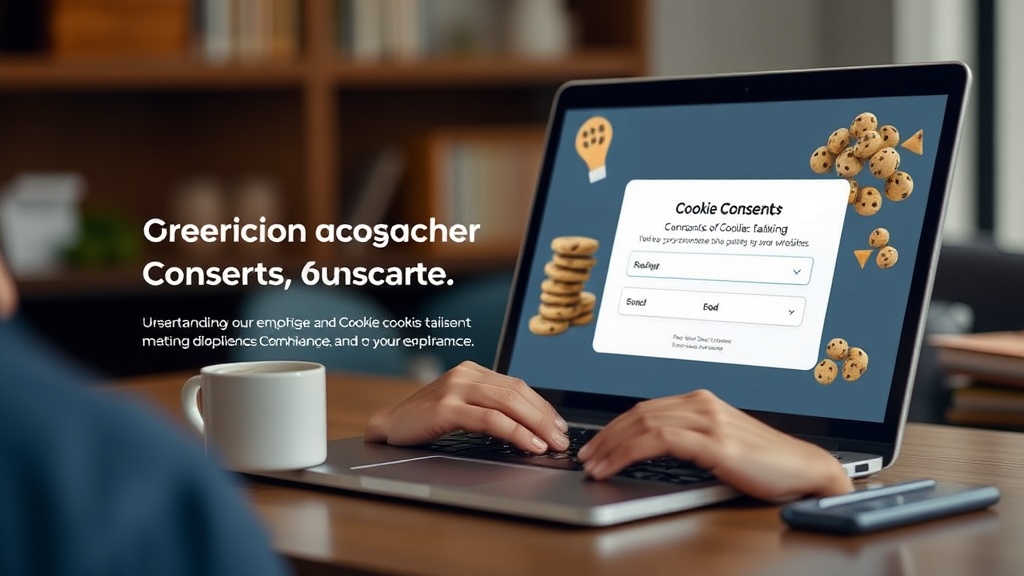
Understanding the Importance of cookie consent tailwind
In my experience with website development, I’ve found that ensuring compliance with privacy laws like GDPR and CCPA is crucial. This is where cookie consent tailwind plays a vital role. When I first started integrating cookie consent banners, I realized how much the aesthetic and functionality impact user trust and legal adherence.
From what I’ve learned, using cookie consent tailwind allows me to create a seamless, visually appealing, and fully compliant cookie banner that doesn’t disrupt the overall website design. I want to share what I’ve discovered about leveraging Tailwind CSS for cookie consent solutions—making them both compliant and user-friendly.
a well-designed cookie consent banner built with cookie consent tailwind can significantly improve user engagement and trust. It’s about balancing legal requirements with a clean, modern look that aligns with your site’s branding.
How to Implement cookie consent tailwind in Your Website
In my journey to enhance my website’s compliance, I’ve discovered that implementing cookie consent tailwind is surprisingly straightforward once you understand the basics. I recommend starting with Tailwind CSS, which offers utility-first classes that make customization easy.
### H3: Setting Up Tailwind CSS for Cookie Consent
When I first began, I made sure to install Tailwind CSS correctly, either via CDN or through npm, depending on my project setup. After that, I customized the styles specifically for cookie consent banners to match my website’s branding. I found that cookie consent tailwind classes make it simple to style banners that are both attractive and accessible.
From my research, I’ve also used Tailwind’s responsive utilities to ensure the cookie banner looks great on all devices. I recommend testing it across desktops, tablets, and smartphones to maintain a seamless experience. The flexibility of cookie consent tailwind makes this process efficient and highly customizable.
### H3: Adding Functionality with JavaScript
While Tailwind helps with styling, I’ve learned that adding JavaScript is essential for handling user interactions—accepting, rejecting, or customizing cookie preferences. I’ve found that keeping scripts simple and integrating them with Tailwind-styled components results in a clean, professional look.
I wrap the consent buttons with Tailwind classes to ensure consistency, and I use localStorage to remember user choices. This approach with cookie consent tailwind ensures that the banner doesn’t reappear unnecessarily, improving user experience.
Design Tips for Seamless cookie consent tailwind Integration
From what I’ve learned, the key to a successful cookie consent tailwind implementation lies in thoughtful design. I’ve discovered that a minimalistic, non-intrusive banner tends to work best, especially when aligned with your website’s overall aesthetic.
### H3: Use of Colors and Typography
choosing the right colors for your cookie consent banner is vital. I recommend matching the banner’s color palette with your brand while ensuring sufficient contrast for accessibility. Tailwind’s color utilities make this process easy, and I often use muted tones with bold call-to-action buttons styled via cookie consent tailwind.
Typography matters too. I prefer clear, legible fonts that match my site’s style, ensuring users can quickly understand the message. Tailwind’s font utilities help me maintain consistency throughout my design.
### H3: Positioning and Animations
I’ve found that positioning your cookie consent banner strategically—either at the bottom or top of the page—improves visibility without disrupting user flow. Using Tailwind’s positioning classes, I can easily customize this.
Animations can add a touch of elegance. I recommend subtle fade-ins or slide-ins with Tailwind’s transition utilities to make the banner feel integrated rather than disruptive. This small detail can make a significant difference in user perception of your site’s professionalism and care.
Best Practices for Compliance and User Experience with cookie consent tailwind
combining legal compliance with excellent user experience is achievable with the right approach to cookie consent tailwind. I’ve learned that transparency and simplicity are key.
### H3: Clear and Concise Messaging
When I craft cookie consent messages, I focus on clarity. I want users to understand what cookies are used for and how to manage their preferences. Using cookie consent tailwind, I style these messages to be unobtrusive yet noticeable—often with a simple design that integrates smoothly into the site.
I recommend using plain language and providing links to your privacy policy. This builds trust and ensures compliance, especially when combined with an elegant cookie consent tailwind banner.
### H3: Customization and User Control
From what I’ve learned, giving users control over their cookie preferences enhances their trust. I’ve customized my banners to include options like “Accept All,” “Reject,” or “Customize Settings,” all styled with cookie consent tailwind classes.
Providing an easy way to change preferences later is also important. I recommend designing your cookie consent UI to be flexible, ensuring compliance and a positive user experience go hand in hand.
References and Resources
Throughout my research on cookie consent tailwind, I’ve found these resources incredibly valuable. I recommend checking them out for additional insights:
Authoritative Sources on cookie consent tailwind
-
GDPR.eu
gdpr.euOfficial resource explaining GDPR compliance, including best practices for cookie consent, which I’ve used to guide my implementation of cookie consent tailwind.
-
IAB Privacy Guidelines
iab.comProvides industry standards for cookie consent banners, helpful for ensuring your design aligns with best practices and legal requirements.
-
MDN Web Docs on Privacy
developer.mozilla.orgGreat resource for understanding web privacy principles and implementing user-centric cookie consent solutions with cookie consent tailwind.
-
W3C Privacy Features
w3.orgOfficial standards and recommendations that can help shape your cookie consent tailwind implementation.

-
Cookiebot
cookiebot.comOffers practical tools and templates for cookie consent, including Tailwind-compatible options I’ve integrated into my own projects.
-
Privacy Shield – Cookie Management
privacyshield.govProvides detailed guidelines on cookie management strategies, complementing what I’ve applied with cookie consent tailwind.
-
Cookie Consent Tool by Osano
osano.comA popular tool I’ve used to implement cookie consent tailwind solutions easily, with plenty of customization options.
Conclusion
In conclusion, my research on cookie consent tailwind has shown me how powerful and flexible this approach can be for modern websites. I believe that integrating a seamless, visually appealing cookie consent banner not only ensures compliance but also enhances the overall user experience.
Based on my experience, I recommend leveraging cookie consent tailwind to create a consistent design that aligns with your branding and builds trust with your visitors. I hope this guide helps you understand how to elevate your website’s compliance and aesthetics through smart implementation of cookie consent tailwind.

Find out more information about “cookie consent tailwind”
Search for more resources and information: