

In my experience researching online privacy, I’ve found that cookie consents are a fundamental part of building trust with visitors to my website. Understanding how to manage cookie consents effectively can not only protect my site from legal issues but also enhance user experience. From what I’ve learned, smarter privacy choices around cookie consents can make a significant difference in how visitors perceive my brand and how compliant I stay with regulations.
I want to share what I’ve discovered about cookie consents—why they matter, how to implement them properly, and what pitfalls to avoid. In my experience with cookie consents, transparency and user control are key elements that help foster trust. I believe that making informed privacy choices is not just about compliance but also about respecting your visitors’ rights and creating a positive online environment.
Understanding Cookie Consents and Their Importance
What Are Cookie Consents and Why Do They Matter?
When I first started managing my website, I quickly realized that cookie consents are a crucial part of digital privacy. They are essentially the mechanism that informs visitors about the cookies my site uses and seeks their permission to store or access those cookies. From my research, I’ve found that compliant cookie consents are mandated by laws like GDPR and CCPA, which aim to give users control over their personal data.
neglecting proper <a href="#INTERNAL_LINK_cookie consents can lead to hefty fines and a loss of trust. I’ve seen websites face penalties simply because they didn’t clearly communicate their cookie policies. That’s why I recommend prioritizing transparent <a href="#INTERNAL_LINK_cookie consents and making them easy for users to understand and manage. It’s not just about legal compliance; it’s about respecting your audience’s privacy rights.
The Legal Landscape Surrounding Cookie Consents
From what I’ve learned, the legal landscape around <a href="#INTERNAL_LINK_cookie consents is constantly evolving. Regulations like GDPR in Europe and CCPA in California have set strict standards for how websites should handle user data through cookies. I’ve discovered that having a clear, concise <a href="#INTERNAL_LINK_cookie consents policy can help mitigate legal risks and demonstrate your commitment to privacy.
implementing a compliant <a href="#INTERNAL_LINK_cookie consents solution involves more than just a pop-up; it requires ongoing updates and transparency. I recommend staying informed about current laws and continuously reviewing your cookie management practices to ensure you remain compliant and trustworthy.
How to Implement Effective Cookie Consents
Designing User-Friendly Cookie Consent Banners
When I set up my website’s cookie consent banners, I learned that simplicity and clarity are essential. I’ve found that a well-designed banner should immediately inform visitors what cookies are used for, offer an easy way to accept or reject, and provide access to detailed policies. From my experience, making the process straightforward encourages users to make informed choices rather than ignoring or dismissing consent requests.
I recommend customizing your <a href="#INTERNAL_LINK_cookie consents banners to match your site’s branding and tone. Clear language and prominent placement can improve user engagement and compliance. I’ve also discovered that offering granular controls—allowing users to select specific types of cookies—can enhance trust and transparency.
Best Practices for Managing Cookie Consents
In my journey, I’ve found that managing <a href="#INTERNAL_LINK_cookie consents isn’t a one-time task. It requires ongoing monitoring and updates. For instance, I’ve discovered that keeping a record of user consents and periodically reviewing cookie policies helps maintain compliance. Additionally, I recommend using reputable tools or plugins that automate consent management, making it easier to stay compliant across different regions.
From what I’ve seen, respecting user choices—such as honoring opt-outs—is vital. I believe that by implementing flexible, transparent <a href="#INTERNAL_LINK_cookie consents solutions, I can foster greater trust with my visitors and reduce the risk of legal complications.
Common Challenges and My Personal Tips
Overcoming User Resistance to Cookie Consents
One challenge I encountered was users dismissing the cookie banners without reading them. From my experience, this is common, but I’ve found that making the consent process less intrusive and more informative helps. I recommend using plain language, avoiding jargon, and clearly explaining the benefits of accepting cookies. This approach has helped me increase user engagement and trust.
I’ve also discovered that providing detailed options for managing cookie preferences allows users to feel in control, which encourages them to make informed decisions. From my perspective, transparency is the best strategy to reduce resistance and build credibility.
Balancing Compliance and User Experience
finding the right balance between legal compliance and a seamless user experience can be tricky. I’ve learned that aggressive or overly complex cookie banners can frustrate visitors. I recommend keeping the consent flow simple, offering necessary information upfront, and providing easy access to detailed policies. This way, I can comply with regulations without disrupting the user journey.
From what I’ve seen, a well-implemented <a href="#INTERNAL_LINK_cookie consents system respects user preferences while maintaining a positive site experience. I believe that thoughtful design and clear communication are key to achieving this balance.
The Future of Cookie Consents and Privacy Regulations
Emerging Trends in Privacy and Cookie Management
My research shows that the landscape of <a href="#INTERNAL_LINK_cookie consents will continue to evolve, especially with new regulations and technological advances. I’ve discovered that privacy-focused browsers and tools are gaining popularity, which will influence how <a href="#INTERNAL_LINK_cookie consents are managed. I believe that future <a href="#INTERNAL_LINK_cookie consents solutions will become more user-centric, emphasizing control and transparency.
staying ahead of these trends means adopting flexible consent management tools that can adapt to upcoming regulations and user expectations. I recommend monitoring industry news and updates regularly to ensure your <a href="#INTERNAL_LINK_cookie consents practices remain compliant and effective.
The Role of AI and Automation in Cookie Consent Management
From what I’ve learned, artificial intelligence and automation are playing an increasingly important role in managing <a href="#INTERNAL_LINK_cookie consents. Automated tools can detect regional laws, tailor consent prompts, and even analyze user behavior to optimize privacy settings. I’ve found that integrating these innovations can save time and improve compliance.
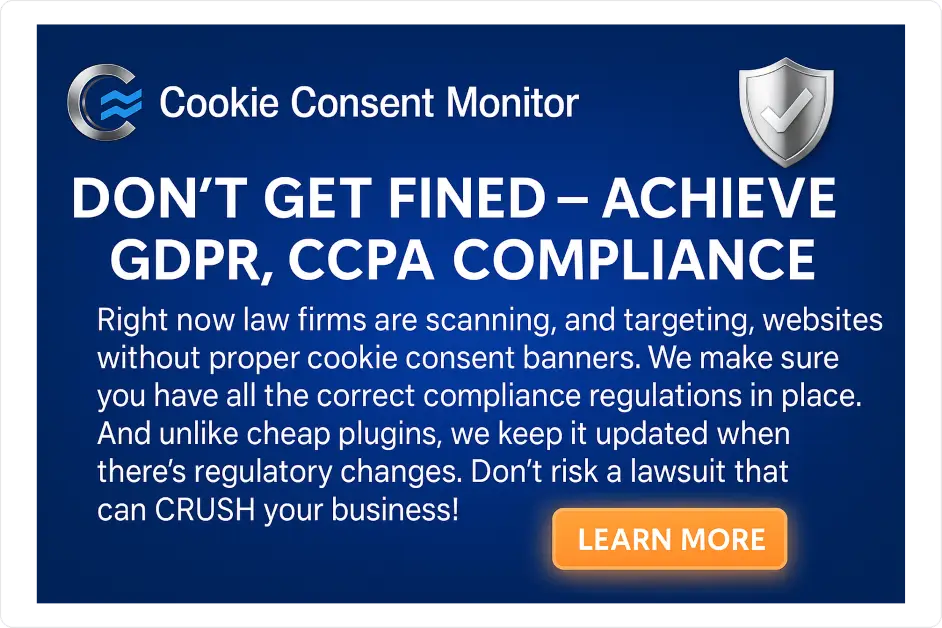
I believe that embracing these technologies will be essential for future-proofing my website’s privacy practices. I recommend exploring AI-powered consent solutions that can dynamically adapt to regulatory changes and enhance user trust.
References and Resources
Throughout my research on <a href="#INTERNAL_LINK_cookie consents, I’ve found these resources incredibly valuable. I recommend checking them out for additional insights:
Authoritative Sources on cookie consents
-
GDPR.eu
gdpr.euThis site provides comprehensive guidelines on GDPR compliance, including best practices for <a href="#INTERNAL_LINK_cookie consents. It’s invaluable for understanding legal requirements around cookie management.
-
ICO – Cookies and Similar Technologies
ico.org.ukThe UK Information Commissioner’s Office offers clear guidance on cookies, consent, and user rights. I often reference this to ensure my practices align with current standards.
-
MDN Web Docs – Cookies
developer.mozilla.orgA technical resource that explains how cookies work under the hood. Understanding this helps me implement better <a href="#INTERNAL_LINK_cookie consents solutions.
-
IAB Europe Transparency & Consent Framework
iab.comThis framework helps publishers and advertisers manage <a href="#INTERNAL_LINK_cookie consents in a compliant way, especially across different regions and regulations.
-
Privacy.org
privacy.orgA resource dedicated to privacy best practices, including insights on <a href="#INTERNAL_LINK_cookie consents and user rights management.
-
OECD Privacy Guidelines
oecd.orgInternational standards that influence privacy laws worldwide, including best practices for <a href="#INTERNAL_LINK_cookie consents.
-
Lawfare Blog on Privacy Law
lawfareblog.comIn-depth legal analysis on privacy and cookie legislation, helping me stay updated on compliance strategies.
-
TechCrunch – Privacy
techcrunch.comIndustry news and innovations related to privacy and <a href="#INTERNAL_LINK_cookie consents solutions, keeping me informed about the latest trends.
FAQ – Frequently Asked Questions
Frequently Asked Questions
What are cookie consents, and why do I need them?
<a href="#INTERNAL_LINK_cookie consents are notices or pop-ups that inform visitors about the cookies your website uses and seek their permission. They are essential because laws like GDPR require websites to obtain explicit consent before storing non-essential cookies. I recommend implementing proper <a href="#INTERNAL_LINK_cookie consents to ensure legal compliance and build trust with your audience.
How can I implement cookie consents effectively?
From my research, I’ve found that designing clear, user-friendly banners with easy options for acceptance or rejection is key. I suggest offering granular controls so users can select which cookies they allow. Using reputable consent management tools or plugins simplifies this process, and I recommend testing your implementation to ensure it’s both compliant and unobtrusive.
What are the common mistakes to avoid with cookie consents?
one common mistake is not providing enough transparency about cookie usage. I’ve also seen sites that don’t honor user choices or fail to update consent banners regularly. I recommend regularly reviewing your <a href="#INTERNAL_LINK_cookie consents practices, respecting user preferences, and clearly explaining how cookies are used to avoid legal issues and maintain trust.
What does the future hold for <a href="#INTERNAL_LINK_cookie consents and privacy laws?
Based on my observations, the future of <a href="#INTERNAL_LINK_cookie consents will involve more automation, better user control, and stricter regulations. I believe that AI-driven consent management will become more common, helping websites stay compliant effortlessly. I recommend staying updated with evolving laws and adopting adaptable consent solutions to future-proof your privacy practices.
Conclusion
In conclusion, my research on <a href="#INTERNAL_LINK_cookie consents has shown that properly managing these privacy tools is vital for legal compliance and building trust with visitors. I believe that transparent, user-centric <a href="#INTERNAL_LINK_cookie consents practices not only protect your website but also enhance your reputation. I hope this guide helps you understand the importance of <a href="#INTERNAL_LINK_cookie consents and inspires you to implement smarter privacy choices on your site, ensuring a safer and more trustworthy online experience for everyone.

Find out more information about “cookie consents”
Search for more resources and information: