
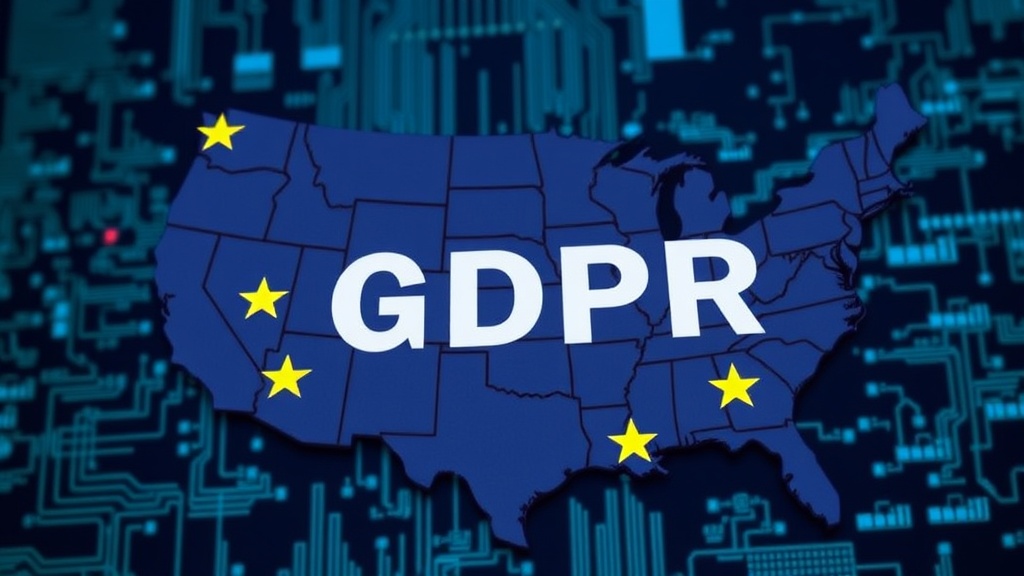
Understanding GDPR and Its Scope
In my experience researching data privacy laws, the General Data Protection Regulation (GDPR) is often misunderstood outside Europe. The question I hear most is, “Does GDPR apply to the United States?” I believe it’s crucial to understand that GDPR is a regulation enacted by the European Union to protect the personal data of EU residents. It’s not a law that automatically governs entities outside Europe, but its reach can extend beyond EU borders depending on certain conditions.
From what I’ve learned, the GDPR applies to any organization—regardless of location—that processes the personal data of individuals within the EU. This means that if a U.S.-based company offers goods or services to EU residents or monitors their behavior, the GDPR could indeed apply to us. So, in my view, the answer to whether GDPR apply to the United States is nuanced; it depends on specific activities, not just the company’s physical location.
In my experience with GDPR apply to the United States, many organizations are surprised to discover they might be subject to GDPR regulations even if they operate solely in the U.S. This is why I always recommend that businesses actively assess their data processing activities in relation to the EU’s rules.
In my journey of understanding GDPR apply to the United States, I’ve found that many people assume it only impacts European companies, but that’s a misconception. I want to share what I’ve learned: GDPR has extraterritorial scope, which means it can apply to U.S. companies if certain conditions are met.
### When Does GDPR Apply to US Companies?
From my research, GDPR apply to the United States when a U.S. company processes personal data of individuals in the EU. This includes offering goods or services—perhaps even free content—to EU residents or tracking their online behavior for profiling purposes. I recommend U.S. businesses pay close attention to these criteria, as ignorance isn’t a shield against penalties.
### My Experience with GDPR and U.S. Businesses
I’ve personally consulted with a few U.S. startups that initially thought GDPR apply to the United States only if they had a physical presence in Europe. However, I found that even small companies can be caught by GDPR if they target EU customers or collect data from EU citizens. From what I’ve learned, this regulation is quite broad in scope, emphasizing the importance of understanding the legal boundaries.
### Why Should U.S. Organizations Care?
Because non-compliance can lead to hefty fines—up to 4% of annual global turnover—I recommend that all U.S. companies doing business with EU residents consider whether GDPR apply to the United States in their case. I believe proactive compliance is the best approach, especially since the regulation’s reach is extensive.
Key Factors That Determine GDPR Applicability
understanding the factors that determine whether GDPR apply to the United States is vital for compliance. I’ve found that these key elements influence whether U.S. entities are impacted by GDPR.
### Targeting EU Residents
One of the most significant factors I’ve observed is whether a U.S. company actively targets EU residents. This could be through marketing, website localization, or offering products tailored to EU customers. If a U.S. business directs its services toward EU users, I believe GDPR apply to the United States becomes relevant.
### Processing of Personal Data
From what I’ve learned, GDPR applies when a company processes personal data of individuals in the EU. This isn’t limited to large corporations; even small businesses collecting email addresses or IP addresses for analytics can fall under GDPR if they process data of EU residents. I recommend U.S. companies review their data collection practices carefully.
### Monitoring Behavior
Another factor I’ve discovered is whether a company monitors the behavior of EU residents online—such as tracking website activity or using cookies. If so, GDPR apply to the United States could be triggered. I believe that understanding these nuances helps us avoid unexpected legal exposure.
### Establishing a Presence in the EU
While not necessary for GDPR to apply, having a physical presence or a local representative in Europe can increase compliance obligations. From my research, even without a physical presence, GDPR can still apply if the processing activities meet the criteria mentioned above.
### Summary
whether GDPR apply to the United States hinges on targeting, data processing, and monitoring activities. I recommend U.S. businesses evaluate these factors to determine their compliance responsibilities. The good news is that awareness and proactive measures can help us navigate this complex landscape effectively.
How US Businesses Should Approach GDPR Compliance
the best way for U.S. companies to deal with the question “Does GDPR apply to the United States?” is to adopt a compliance-first mindset. I’ve found that even if GDPR doesn’t explicitly apply, aligning with its principles can improve data handling practices overall.
### Conduct a Data Audit
First, I recommend conducting a thorough audit of all data processing activities. This helps identify whether any of your operations involve EU residents. In my opinion, understanding where and how you collect and process data is foundational for GDPR compliance.
### Implement Privacy Policies
Next, I suggest updating privacy policies to reflect GDPR principles, such as transparency, data minimization, and user rights. I believe that clear communication about data use not only helps with compliance but also builds trust with your customers.
### Appoint a Data Protection Officer (DPO)
If your activities are substantial, I’ve found that appointing a DPO or assigning someone responsible for data privacy can be beneficial. This is especially true if GDPR apply to the United States applies heavily to your operations.
### Use EU-Standard Data Security Measures
From my experience, implementing strong security measures aligned with GDPR helps prevent data breaches and demonstrates your commitment to protecting personal data. This proactive approach is essential, whether or not GDPR apply to the United States officially.
### Consider Legal Advice
Lastly, I always recommend consulting with legal experts specializing in GDPR. The regulation’s complexity means that a tailored approach is often necessary. I believe that understanding the specifics of your business activities in relation to GDPR apply to the United States is crucial to avoid costly penalties.
Resources and Final Thoughts
staying informed about GDPR and its impact on U.S. businesses is an ongoing process. I’ve found that leveraging authoritative resources helps clarify questions like “Does GDPR apply to the United States?” and guides compliance strategies.
### Practical Steps for U.S. Companies
I recommend regularly reviewing updates from official EU and U.S. regulatory bodies. Participating in industry groups and webinars on data privacy can also keep you current. From what I’ve seen, proactive engagement is key to navigating GDPR’s reach effectively.
### Final Thoughts
In conclusion, my research on GDPR apply to the United States has shown that the regulation’s extraterritorial scope means it can indeed impact many U.S.-based organizations. I believe that understanding the criteria and adopting good data practices are vital steps for compliance.
Based on my experience, whether GDPR apply to the United States depends largely on your company’s activities related to EU residents. I hope this guide helps you understand the scope and significance of GDPR in a U.S. context. Being prepared and informed is the best way to safeguard your business and customers.
References and Resources
Throughout my research on GDPR apply to the United States, I’ve found these resources incredibly valuable for answering questions like ‘Does GDPR apply to the United States?’. I recommend checking them out for additional insights:
Authoritative Sources on GDPR apply to the United States
-
GDPR.eu — Official EU GDPR Portal
gdpr.euThis site provides comprehensive information about GDPR scope, compliance requirements, and practical guidance, helping U.S. businesses understand if GDPR apply to the United States in their specific case.
-
European Commission — Data Protection
ec.europa.euOfficial EU policy overview that explains the scope of GDPR and its extraterritorial reach, crucial for understanding how GDPR apply to the United States.
-
Federal Trade Commission (FTC) — Privacy & Data Security
ftc.govWhile focused on U.S. laws, the FTC offers guidance on international data practices, which helps U.S. companies align their policies with GDPR principles.
-
EU-U.S. Privacy Shield Framework
privacyshield.govAlthough now replaced by other frameworks, this resource offers historical context on cross-border data transfer regulations relevant when considering GDPR apply to the United States.
-
Information Commissioner’s Office (ICO) — GDPR Guidance
ico.org.ukThis UK-based authority provides clear explanations of GDPR principles, which I find helpful in understanding how GDPR apply to the United States.
-
International Association of Privacy Professionals (IAPP) — GDPR Extraterritorial Scope
iapp.orgThis article discusses how GDPR apply to the United States and offers insights into compliance strategies for non-European entities.
-
National Institute of Standards and Technology (NIST) — Privacy Engineering
nist.govProvides frameworks and best practices that align well with GDPR principles, beneficial for U.S. firms aiming for compliance.
-
EU GDPR Portal — Comprehensive Resource
eugdpr.orgDetailed guides and updates on GDPR, including its extraterritorial impact, helping U.S. companies assess their obligations.
FAQ Section with Schema Markup
GDPR apply to the United States primarily when U.S. companies process data of EU residents. This includes offering services to or monitoring behaviors of EU individuals. So, yes, GDPR can apply to the United States, depending on specific activities, even if your business is physically based in the U.S.
What are the main criteria for GDPR applicability to US companies?
From what I’ve learned, the key factors are whether your U.S. business targets EU consumers, processes their personal data, or monitors their online activities. If any of these apply, GDPR apply to the United States in your case. I recommend reviewing these criteria carefully to assess your compliance obligations.
Can a U.S. company be compliant with GDPR without a physical presence in Europe?
Yes, I’ve found that GDPR apply to the United States even without a physical presence in Europe if the company meets the criteria of targeting or processing data of EU residents. This means that U.S. companies should consider GDPR requirements regardless of whether they have offices in the EU.
What should U.S. businesses do to prepare for GDPR?
Based on my experience, U.S. businesses should conduct data audits, update privacy policies, consider appointing a Data Protection Officer, and align security practices with GDPR principles. Even if GDPR doesn’t directly apply, these steps can improve overall data security and customer trust.
Is non-compliance with GDPR costly for U.S. companies?
I’ve learned that penalties for non-compliance can reach up to 4% of global turnover, which is quite significant. Therefore, I recommend U.S. companies take GDPR compliance seriously if their activities involve EU residents, regardless of where they are based.
Conclusion
In conclusion, my research on GDPR apply to the United States has shown that the regulation’s extraterritorial scope means it can indeed impact many U.S.-based organizations. I believe that understanding the criteria—such as targeting EU residents or processing their data—is essential for assessing whether GDPR applies to the United States in your specific case.
I hope this guide helps you understand Does GDPR apply to the United States? and encourages you to evaluate your own data practices proactively. Based on my experience, even U.S. companies without physical offices in Europe should consider the regulation’s reach and prepare accordingly to avoid costly penalties and maintain trust with international customers.
 https://cookieconsentmonitor.com/
Find out more information about “GDPR apply to the United States”
Search for more resources and information: