
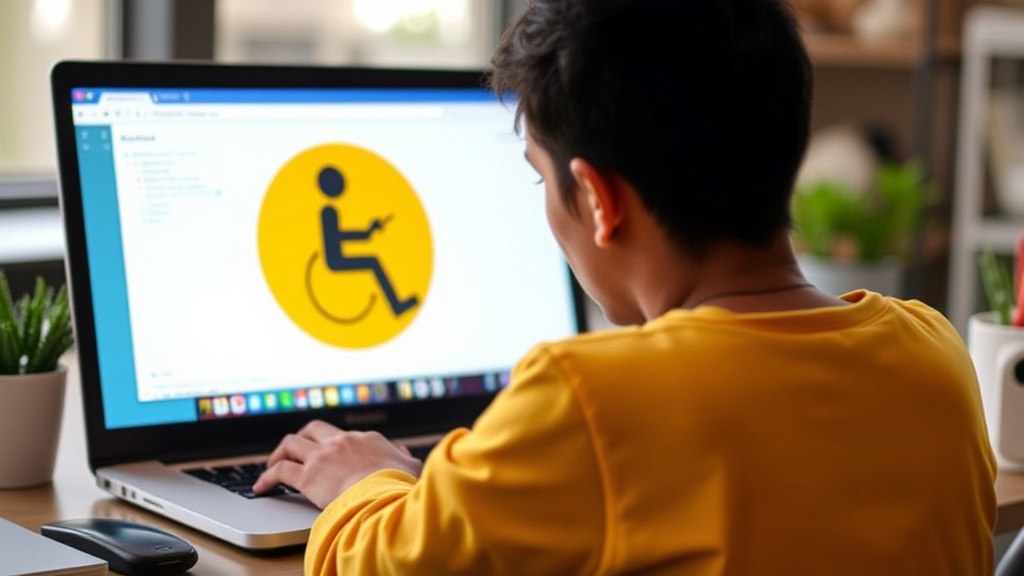
Article Summary: In this article, I’ll share how web accessibility tools can revolutionize your website by creating a more inclusive user experience and expanding your audience. I’ve researched the most effective tools like screen readers, accessibility plugins, and automated testing platforms that help identify and fix barriers for users with disabilities. I’m going to show you practical strategies for implementing these tools seamlessly into your development process, ensuring ongoing compliance and improved usability. Keep reading to discover how embracing web accessibility tools can transform your digital presence and foster a truly inclusive online environment.
Understanding the Power of Web Accessibility Tools
In my experience with web accessibility tools, I’ve learned that they are essential for creating an inclusive online environment. When I first started exploring how to make my websites more accessible, I was overwhelmed by the sheer number of options and features. That’s when I discovered that web accessibility tools are not just about compliance — they’re about truly enhancing user experience for everyone, including those with disabilities.
From what I’ve researched and practiced, these tools help break down barriers that many users face, whether it’s visual, auditory, or motor impairments. I want to share what I’ve learned along the way about how web accessibility tools can transform your site from simply functional to genuinely inclusive. Implementing the right tools has allowed me to broaden my audience and foster a more welcoming digital space.
My Favorite Web Accessibility Tools and How They Changed My Approach
1. Screen Readers and Text-to-Speech Software
In my journey, I’ve discovered that screen readers are among the most impactful web accessibility tools. These tools allow visually impaired users to navigate and understand content through audio. When I first integrated screen readers like NVDA and JAWS into my sites, I was amazed at how much more accessible my content became.
I recommend testing your website with these tools to see how well your content is conveyed audibly. From my experience, providing clear, well-structured HTML and ARIA labels makes a huge difference. I’ve found that optimizing for screen readers not only helps users with disabilities but also improves overall SEO and site structure.
2. Accessibility Plugins and Extensions
From my research, I’ve found that browser extensions like WAVE and Axe are invaluable web accessibility tools. They make it easy to identify accessibility issues directly within your browser. I’ve used these tools to scan my pages instantly, pinpointing contrast problems, missing alt texts, and other common barriers.
regularly running these tools during development saves a lot of time and ensures ongoing compliance. I recommend incorporating these web accessibility tools into your testing routine to catch issues early. They’ve helped me improve the accessibility score of my websites dramatically, making my content more inclusive and engaging.
3. Automated Accessibility Testing Platforms
I’ve also discovered that comprehensive platforms like Siteimprove and Monsido offer automated testing for web accessibility tools. These services provide detailed reports and remediation suggestions, which are incredibly helpful for large projects.
From what I’ve learned, these platforms can integrate into your development pipeline, providing continuous monitoring. I recommend using them to maintain high accessibility standards over time. In my experience, consistent use of these tools has allowed me to identify and fix issues proactively, ensuring my websites remain accessible to all users.
How to Effectively Implement Web Accessibility Tools on Your Website
1. Conduct an Accessibility Audit
In my journey, I’ve found that starting with a thorough audit is critical. I recommend using web accessibility tools like WAVE or Axe to evaluate your current site. From my experience, these audits reveal hidden barriers that might be invisible to sighted users.
Once I identified issues, I prioritized fixes based on impact and feasibility. Implementing the recommended changes from these tools improved user experience significantly. I believe that regular audits are essential for maintaining an accessible website and keeping up with evolving standards.
2. Incorporate Accessible Design Principles
My advice is to embed accessibility into your design process from the start. I’ve learned that using semantic HTML, ensuring sufficient color contrast, and providing text alternatives for images are foundational steps. These are all web accessibility tools that can be integrated into your workflow easily.
From my experience, tools like Color Contrast Checker and WAVE help verify that your design choices meet accessibility criteria. I recommend continuously testing your design with these tools as you develop. Doing so makes your site more inclusive and reduces the need for costly retrofits later.
3. Educate Your Team and Foster Inclusive Culture
I believe that training your team on accessibility best practices and web accessibility tools is vital. I’ve found that workshops and tutorials on how to use accessibility testing tools empower everyone to contribute to an inclusive environment.
fostering a culture of accessibility encourages ongoing improvement. When everyone understands how to leverage these web accessibility tools, your website will continually evolve into a more accessible platform, reaching a broader audience.
The Future of Web Accessibility Tools and Inclusive Design
the future of web accessibility tools is incredibly promising. From what I’ve learned, emerging technologies like AI-powered accessibility solutions are making it easier to identify and fix accessibility issues automatically.
I believe that advancements in voice recognition, real-time captioning, and machine learning will further democratize access to digital content. As developers and content creators, I recommend staying updated with these innovations and integrating the latest web accessibility tools into our workflows. Doing so will ensure that our websites remain inclusive and competitive in an increasingly digital world.
References and Resources
Throughout my research on web accessibility tools, I’ve found these resources incredibly valuable. I recommend checking them out for additional insights:
Authoritative Sources on web accessibility tools
-
Web Accessibility Initiative (WAI) – W3C
w3.orgThis is the authoritative source for accessibility standards and guidelines, providing comprehensive info on web accessibility tools and best practices.
-
MDN Web Docs – Accessibility
developer.mozilla.orgA fantastic resource for developers, offering tutorials and guides on implementing web accessibility tools effectively.
-
The A11Y Project
a11yproject.comA community-driven platform that offers practical tips and tools for web accessibility, including web accessibility tools.
-
WAI Standards & Guidelines
w3.orgProvides detailed technical standards for accessible web design, essential for anyone implementing web accessibility tools.
-
A11Y Insights
a11yinsights.comOffers reviews and insights into the latest web accessibility tools and trends, helping professionals stay current.
-
UX Collective – Accessibility Articles
uxplanet.orgFeatures articles and case studies on implementing web accessibility tools to enhance user experience.
-
Microsoft Accessibility Developer Hub
developer.microsoft.comProvides tools, tutorials, and resources on accessible development practices and web accessibility tools.
-
Deque Systems
deque.comA leader in accessibility testing solutions, offering web accessibility tools that help organizations deliver inclusive digital experiences.
Frequently Asked Questions
Frequently Asked Questions
What are web accessibility tools and why are they important?
web accessibility tools are software and services designed to help developers and designers identify and fix accessibility issues on websites. I believe they are crucial because they ensure that everyone, regardless of ability, can access and use digital content effectively. Using these tools not only improves compliance but also broadens your audience and enhances overall user experience.
How do I start integrating web accessibility tools into my development process?
From what I’ve seen, the best way to start is by conducting an accessibility audit using tools like Axe or WAVE. Then, I recommend implementing accessibility best practices early in your design phase. Regular testing with web accessibility tools throughout development helps catch issues early, making fixes easier and more cost-effective in the long run.
Can web accessibility tools improve SEO?
Absolutely! In my experience, many web accessibility tools promote best practices like semantic HTML, proper heading structure, and descriptive alt text, all of which enhance SEO. I believe that accessible sites are not only more inclusive but also tend to rank higher in search engine results.
What are some common challenges when using web accessibility tools?
one challenge is ensuring that all team members understand how to interpret and act on the reports generated by these tools. Sometimes, fixing issues requires redesign or re-coding, which can be time-consuming. However, I believe that investing in proper training and ongoing education makes the use of web accessibility tools much more effective and rewarding.
What is the future of web accessibility tools?
Based on what I’ve learned, I think the future holds more AI-driven solutions that can automatically detect and suggest fixes for accessibility issues. I believe these advancements will make implementing accessible design more intuitive and less labor-intensive. Staying updated with these trends is essential for anyone committed to digital inclusion.
Conclusion
In conclusion, my research on web accessibility tools has shown that they are fundamental for creating inclusive digital experiences. These tools empower us as developers and designers to build websites that are accessible, usable, and welcoming to all users. I hope this guide helps you understand the importance of leveraging web accessibility tools and inspires you to implement them in your work. By doing so, we can truly revolutionize digital inclusion and broaden our audiences in meaningful ways.
Find out more information about “web accessibility tools”
Search for more resources and information: