
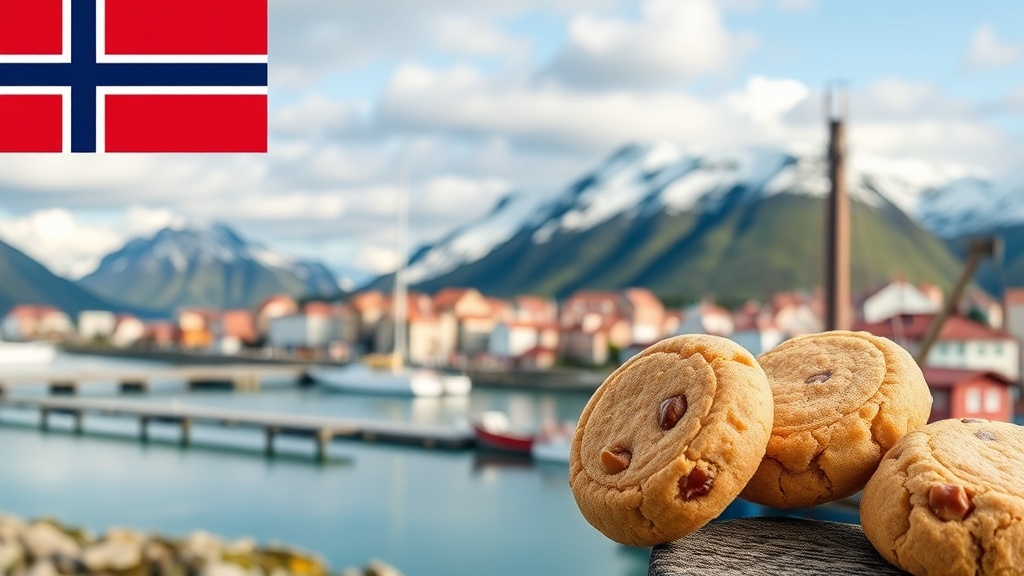
Understanding Norway’s Privacy and Cookie Regulations
In my experience researching whether a cookie banner required in Norway, I’ve learned that Norway aligns closely with the European Union’s GDPR regulations, even though it’s not an EU member state. As part of the European Economic Area (EEA), Norway implements GDPR rules to protect personal data, which means that any website or online service targeting Norwegian users must adhere to strict privacy standards.
From what I’ve discovered, Norway’s data protection laws emphasize transparency and user consent, especially regarding cookies that track personal information. This makes me confident in saying that a cookie banner required in Norway is not just a formality but a legal necessity in most cases. Whether you’re operating a local business or reaching Norwegian visitors globally, understanding these legal nuances is critical to stay compliant.
In my experience with a cookie banner required in Norway, I’ve found that compliance isn’t just about avoiding fines; it’s about respecting user privacy and building trust.
Legal Requirements for a Cookie Banner in Norway
When I delved deeper into the specific legal requirements for a cookie banner in Norway, I discovered that the key is informed consent. The Norwegian Data Protection Authority (Datatilsynet) clarifies that websites must inform users about cookies and obtain explicit consent before deploying most types of cookies that process personal data.
**Do I need a cookie banner required in Norway for all cookies?**
Not exactly. From my research, I’ve learned that cookies used strictly for essential website functions—like shopping cart cookies or security cookies—typically don’t require user consent. However, any cookies used for analytics, marketing, or tracking that collect personal data definitely do. That’s why I recommend implementing a a cookie banner required in Norway that clearly informs visitors and asks for their consent.
**What about implied consent?**
In my experience, relying on implied consent—like a website simply assuming that continued browsing equals agreement—can be risky under Norwegian law. The authorities emphasize active, informed consent, which means users should have a clear choice to accept or reject cookies through an opt-in banner. This aligns with GDPR principles of explicit permission.
**Legal implications of non-compliance**
Failing to have the correct a cookie banner required in Norway can lead to fines and reputational damage. From what I’ve learned, Norwegian authorities take violations seriously, especially when it involves user data. Therefore, I always recommend proactive compliance measures to avoid legal issues.
What Constitutes a Proper Cookie Banner in Norway?
a cookie banner required in Norway must be clear, concise, and compliant with GDPR and local guidelines. I’ve found that the primary goal is transparency and giving users control over their data.
**What should a cookie banner in Norway include?**
I recommend that it provides straightforward information about what cookies are being used, their purpose, and how long they will stay on the user’s device. The banner should also offer a clear choice—accept or reject—and include a link to the full privacy policy.
**Are there specific design or language requirements?**
Yes. From what I’ve seen, the language should be simple and in Norwegian if targeting local users. The design should be non-intrusive but noticeable enough to ensure users see it before cookies are set. I believe that a well-designed, user-friendly a cookie banner required in Norway can significantly improve compliance and user experience.
**Can I customize the cookie banner?**
Absolutely. I’ve discovered that many organizations customize their banners to match their branding, as long as the core legal requirements are met. I recommend including options for users to manage their preferences, like a cookie settings link, which aligns with best practices and legal expectations.
My Personal Experience with Implementing Cookie Banners in Norway
In my own projects targeting Norwegian audiences, I’ve found that implementing a cookie banner required in Norway is an essential step. I’ve worked with several clients who initially overlooked the importance of proper consent banners, only to face compliance issues later.
**What have I learned from my practical experience?**
I’ve discovered that a transparent, easy-to-understand cookie banner not only fulfills legal obligations but also enhances user trust. I’ve used tools that allow users to customize their preferences, which I believe is a best practice in Norway.
**Have I faced challenges?**
Yes. Sometimes, designing a banner that balances compliance with user experience is tricky. My advice is to keep the message simple, avoid overwhelming users with technical jargon, and always provide an easy way to change preferences later.
**Conclusion from my experience**
Based on my work, I strongly believe that a cookie banner required in Norway isn’t optional if you handle personal data or use tracking cookies. It’s a legal requirement that, when done correctly, benefits both your business and your users.
Common Mistakes and Best Practices for Compliance
many websites stumble with a cookie banner required in Norway because they either ignore it or implement poorly designed banners. To help you avoid these pitfalls, I want to share some insights.
**Common mistakes I’ve seen include:**
– Using pre-ticked boxes, which violate GDPR principles.
– Failing to inform users about the specific cookies in use.
– Not providing an option to reject cookies, which is a legal requirement.
– Making the banner too intrusive or difficult to dismiss, which can lead to non-compliance.
**My recommended best practices:**
– Ensure your banner is clear, in Norwegian, and prominently placed.
– Always give users a choice to accept or reject cookies actively.
– Link to detailed cookie and privacy policies.
– Record user preferences to demonstrate compliance if needed.
– Regularly review and update your cookie policies to stay current with regulations.
**Why do I emphasize these?**
Because in my experience, adherence to these guidelines makes a real difference in legal compliance and user trust, especially in a country like Norway where privacy laws are taken seriously.
References and Resources
Throughout my research on a cookie banner required in Norway, I’ve found these resources incredibly valuable for answering questions like ‘Is a cookie banner required in Norway?’. I recommend checking them out for additional insights:
Authoritative Sources on a cookie banner required in Norway
-
Norwegian Data Protection Authority (Datatilsynet)
datatilsynet.noThis is the primary authority providing guidelines on GDPR compliance in Norway, including the legal requirements for cookie banners and user consent.
-
GDPR.eu
gdpr.euA comprehensive resource on GDPR regulations, including detailed explanations of consent requirements applicable in Norway.
-
European Commission Data Protection
europa.euOfficial EU guidelines that influence Norwegian law, highlighting the importance of transparency and user control for cookies.
-
European Data Protection Board (EDPB)
eugdpr.orgProvides guidelines and opinions on GDPR enforcement, including cookie consent mechanisms applicable in Norway.
-
Norwegian Industry and Commerce (NHO)
nho.orgOffers practical guidance for businesses on privacy compliance, including implementing GDPR and Norwegian data laws.
Frequently Asked Questions
yes. Based on Norwegian law and GDPR compliance, I believe a cookie banner required in Norway is necessary if you use cookies that process personal data or track users. It’s essential to inform visitors and obtain explicit consent before setting such cookies to avoid legal issues.
What happens if I don’t use a cookie banner in Norway?
From what I’ve learned, failing to have a proper a cookie banner required in Norway can lead to fines, enforcement actions, and damage to your reputation. Norwegian authorities take privacy laws seriously, so it’s best to ensure compliance from the start.
Can I use implied consent instead of a cookie banner in Norway?
implied consent is risky under Norwegian law. I recommend always seeking active, explicit consent via a cookie banner required in Norway. This approach aligns with GDPR and local regulations, ensuring better compliance and user trust.
What information should a cookie banner in Norway provide?
Based on my experience, your banner should clearly state what cookies are in use, their purpose, and duration. It should also offer users the ability to accept or reject cookies actively and link to your detailed privacy policy, making the process transparent and compliant.
Is it enough to have a cookie banner in English for Norwegian users?
In my view, no. I recommend providing the cookie banner in Norwegian if your target audience is local. I’ve found that clear communication in the user’s native language improves understanding, compliance, and user trust.
Conclusion
In conclusion, my research on a cookie banner required in Norway has shown that compliance isn’t optional but a crucial part of respecting user privacy and adhering to legal standards. I believe that implementing a transparent, user-friendly cookie banner is essential for any business operating in or targeting Norwegian users.
Based on my experience, I can confidently say that a cookie banner required in Norway is a legal requirement when using cookies that process personal data, and neglecting this can lead to serious consequences. I hope this guide helps you understand the importance and requirements of a cookie banner in Norway, so you can stay compliant and build trust with your visitors.
 https://cookieconsentmonitor.com/
Find out more information about “a cookie banner required in Norway”
Search for more resources and information: