
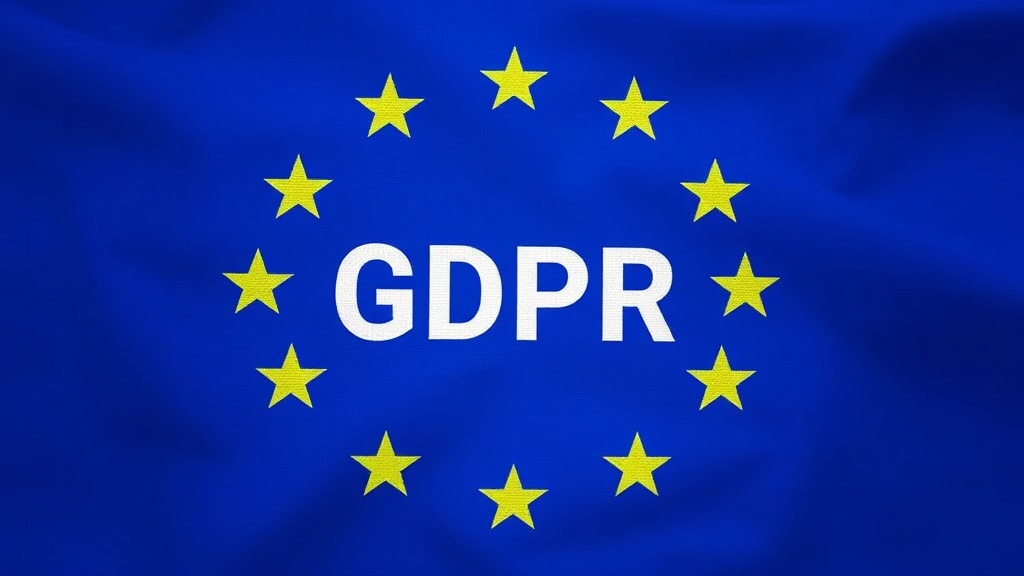
In my experience with the topic What is GDPR, I’ve found that understanding this regulation is crucial for anyone handling personal data in today’s digital world. So, what is GDPR exactly? Essentially, I’ve learned that GDPR — or the General Data Protection Regulation — is a comprehensive privacy law enacted by the European Union to protect individuals’ personal data and privacy rights. When I first started exploring What is GDPR, I was surprised by how much it influences data practices not just in Europe but globally.
From what I’ve discovered, What is GDPR aims to give people more control over their personal information and to set strict rules for organizations that collect, store, or process this data. I want to share what I’ve learned about its scope, requirements, and impact, as it’s a regulation I believe everyone should understand, whether you’re a business owner, a consumer, or just curious about digital privacy. Now, let’s dive deeper into what What is GDPR really about and why it matters so much today.
Understanding What GDPR Is: The Basics
when someone asks me What is GDPR, I usually start by explaining that it’s a regulation designed to harmonize data privacy laws across Europe and empower individuals with greater control over their personal data. I’ve found that at its core, GDPR sets out rules that organizations must follow when collecting or processing personal information. It’s not just about compliance; it’s about respecting people’s privacy rights in our digital age.
How Did GDPR Come About?
From what I’ve learned, GDPR was introduced in 2016 and became enforceable in 2018, replacing older data protection laws. I recommend understanding its origins because it was driven by the increasing amount of data breaches and misuse of personal data. The EU wanted to create a unified framework that would protect citizens’ privacy and give them more control. I believe that GDPR’s creation was a response to the rapid growth of digital technology and the need for stricter data governance.
What Is GDPR’s Main Goal?
the primary goal of What is GDPR is to safeguard personal data and ensure that organizations handle data responsibly. It also aims to foster trust between businesses and consumers by setting clear standards. I’ve found that companies that comply with GDPR often build stronger relationships with their users because they demonstrate a commitment to privacy.
Why Did GDPR Come Into Existence? My Insights
Growing Concerns Over Data Privacy
the rise in data breaches and scandals involving misuse of personal information made it clear that existing laws were insufficient. I’ve seen news stories about major companies mishandling data, which made me realize the urgent need for a comprehensive regulation. From what I’ve researched, GDPR was created to fill this gap, ensuring that individuals have rights and organizations are held accountable.
The Digital Transformation and Its Challenges
When I look back at the evolution of the internet and digital services, I understand that GDPR was a necessary step. As more data is generated and shared online, I recommend that everyone understands What is GDPR because it directly affects how data is managed. It’s about adapting privacy laws to modern technology and making sure personal information isn’t exploited.
Global Influence of GDPR
From my research, I’ve found that GDPR’s influence extends beyond Europe, affecting global companies that do business with European citizens. I believe that understanding What is GDPR is essential for international organizations, as non-compliance can lead to hefty fines and reputational damage. Its principles are shaping privacy policies worldwide.
Key Principles of GDPR That Shape Data Privacy
Lawfulness, Fairness, and Transparency
the first thing I always emphasize when explaining What is GDPR is that data must be processed legally and transparently. Organizations need clear consent and honest communication. I’ve found that transparency builds trust, which is why GDPR insists on clear privacy notices and user rights.
Purpose Limitation and Data Minimization
From what I’ve learned, data should only be collected for specific, legitimate purposes, and only the minimum necessary data should be processed. I recommend that businesses and consumers alike understand this principle because it reduces unnecessary data collection and protects privacy.
Accountability and Data Security
organizations are responsible for demonstrating compliance with GDPR. I’ve discovered that implementing robust security measures and maintaining records of processing activities are vital. This principle ensures that personal data is protected from breaches and misuse.
How GDPR Impacts Businesses and Individuals
Impacts on Business Operations
When I reflect on how What is GDPR impacts businesses, I see that organizations need to overhaul their data handling practices. This includes updating privacy policies, obtaining explicit consent, and appointing data protection officers. From my perspective, these measures can seem challenging at first but ultimately create more trustworthy and responsible companies.
Rights of Individuals Under GDPR
GDPR grants individuals several rights, such as access to their data, the right to rectification, and the right to erasure. I recommend that everyone understands these rights because they empower users to control their personal information. Knowing What is GDPR helps me feel more confident about my digital privacy.
Enforcement and Penalties
From what I’ve learned, organizations that fail to comply with GDPR face hefty fines and reputational damage. I believe that this enforcement mechanism encourages companies to prioritize data protection. For me, it highlights how seriously GDPR takes privacy and how vital compliance is for all organizations handling personal data.
Resources to Deepen Your Knowledge on What is GDPR
Authoritative Sources on What is GDPR
Authoritative Sources on What is GDPR
-
GDPR.eu – Official EU GDPR Portal
gdpr.euThis site provides comprehensive summaries, guides, and updates about GDPR, making it an excellent resource for understanding the regulation’s scope and requirements.
-
European Commission – Data Protection
ec.europa.euOfficial policy documents and detailed explanations directly from the European Union help clarify what What is GDPR and how it’s implemented across member states.
-
EU GDPR Portal
eugdpr.orgA practical resource with summaries, FAQs, and tools for organizations to understand and implement GDPR compliance effectively.
-
Information Commissioner’s Office (ICO) – UK
ico.org.ukWhile UK-specific, ICO provides valuable insights into GDPR principles, compliance tips, and enforcement actions that are useful universally.
-
Washington Post – GDPR Explained
washingtonpost.comA journalistic overview that simplifies complex GDPR topics, making it easier for newcomers to grasp the regulation’s importance and implications.
-
International Association of Privacy Professionals (IAPP)
privacy.orgA professional resource offering articles, certifications, and detailed guides on GDPR and broader data privacy issues.
-
CSO Online – GDPR Guide
csoonline.comProvides practical advice for organizations on GDPR compliance, data security, and privacy management.
-
Krebs on Security – GDPR Insights
krebsonsecurity.comA cybersecurity perspective on GDPR, highlighting risks, breaches, and compliance failures that I think everyone should be aware of.
FAQs About GDPR: My Personal Clarifications
Frequently Asked Questions
What is GDPR, and why is it important?
What is GDPR is a vital regulation because it establishes a clear framework for how personal data should be handled, giving individuals more control and ensuring organizations are accountable. I recommend understanding its importance because privacy breaches can have serious consequences for both users and companies.
How does GDPR affect small businesses?
From what I’ve learned, GDPR impacts small businesses by requiring them to implement data protection measures similar to larger corporations. I believe that while compliance might seem daunting, it ultimately helps build trust and protect customer relationships, which are crucial for growth.
What are the main rights GDPR grants to individuals?
GDPR grants rights such as access to your data, rectification, erasure (the right to be forgotten), and data portability. I recommend that everyone understands these rights because they empower users to take control of their personal information, which is a core aspect of What is GDPR.
Are there penalties for non-compliance with GDPR?
Absolutely. Based on my research, organizations that fail to comply can face hefty fines—up to 4% of annual global turnover—and reputational damage. I believe this enforcement underscores how seriously GDPR treats data privacy and encourages organizations to prioritize compliance.
What is GDPR is a comprehensive regulation that protects personal data, promotes transparency, and holds organizations accountable for responsible data handling. I believe understanding What is GDPR is essential for navigating today’s digital environment where privacy concerns are more critical than ever.
Conclusion
In conclusion, my research on What is GDPR has shown me just how impactful and necessary this regulation is. I believe it fundamentally changes how organizations manage personal data, prioritizing individual privacy and accountability. Based on my experience, I hope this guide helps you understand What is GDPR and why it’s a cornerstone of modern data protection, influencing policies worldwide. Whether you’re a business owner or a consumer, grasping What is GDPR is a step toward a safer digital future for all of us.
 https://cookieconsentmonitor.com/
Find out more information about “What is GDPR”
Search for more resources and information: