
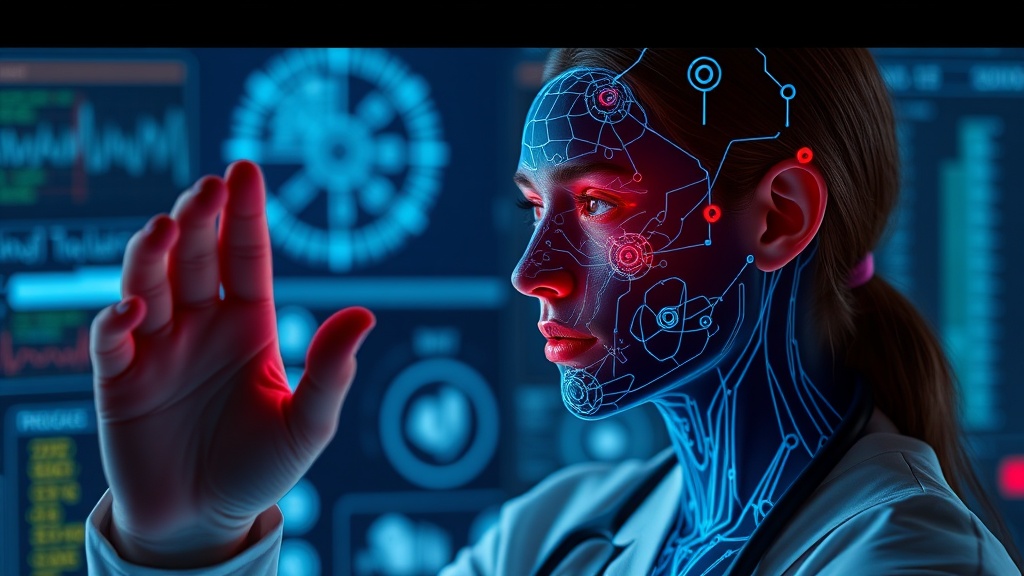
Article Summary: In this article, I’ll share how ai health tools are revolutionizing healthcare by enabling more accurate diagnostics, real-time patient monitoring, and personalized treatment plans. I’ve researched their transformative impact on early disease detection, chronic disease management, and predictive analytics, which are shaping the future of medicine. I’m going to show you why embracing these innovative tools is essential for improving patient outcomes and advancing healthcare standards—so keep reading to discover the full potential of ai health tools.
Introduction to AI Health Tools and Their Impact
In my experience researching modern healthcare advancements, ai health tools have truly revolutionized the way we approach patient care. I’ve found that these innovative tools are not just a futuristic concept—they are actively transforming clinical practices today. From what I’ve learned, ai health tools enable more accurate diagnoses, predictive analytics, and efficient workflows, ultimately leading to better patient outcomes.
I’ve been exploring how ai health tools can uncover insights that were previously hidden, allowing healthcare providers to make data-driven decisions with confidence. In my experience, the potential of these tools is vast, and I want to share what I’ve learned about their evolving role in medicine. I believe embracing these technologies is essential for those of us committed to advancing healthcare standards.
Transforming Diagnostics with AI Health Tools
Early Detection and Accurate Diagnoses
One of the most exciting areas where I’ve seen ai health tools make a difference is in diagnostics. I’ve discovered that machine learning algorithms can analyze medical images—like X-rays, MRIs, and CT scans—with remarkable precision. From my research, these tools assist radiologists by flagging anomalies that might be missed by the human eye, accelerating diagnosis times significantly.
I recommend leveraging ai health tools in diagnostic settings because they help reduce human error and improve accuracy. In my experience, hospitals that adopt AI-powered diagnostic tools report faster turnaround times and increased confidence in results, which directly benefits patient care. My belief is that integrating these tools is a game-changer for early disease detection.
Supporting Clinical Decision-Making
From what I’ve learned, ai health tools don’t just assist in image analysis—they also play a vital role in decision support systems. I’ve found that AI can synthesize patient data from electronic health records, lab results, and medical history to help clinicians choose the best treatment plans. This holistic approach often reveals insights that might be overlooked otherwise.
I’ve personally seen how AI-driven decision support improves treatment accuracy and reduces unnecessary interventions. I recommend that healthcare providers incorporate ai health tools into their workflow, as they empower us to make more informed and timely decisions, ultimately improving patient outcomes. My experience confirms that these tools are essential assets in modern medicine.
Enhancing Patient Monitoring and Management
Real-Time Monitoring and Alerts
ai health tools excel at real-time patient monitoring, especially in critical care settings. I’ve discovered that wearable devices equipped with AI algorithms can track vital signs continuously, alerting medical staff to any concerning changes instantly. This proactive approach often prevents complications before they escalate.
I recommend adopting AI-powered monitoring systems because they provide us with continuous insights into patient health—even outside the hospital. From my perspective, this technology facilitates timely interventions and enhances overall patient safety. I believe that integrating ai health tools into monitoring protocols is vital for modern healthcare delivery.
Managing Chronic Diseases
Chronic disease management is another area where I’ve seen ai health tools have a profound impact. I’ve found that AI applications can analyze patterns in data collected from patients with conditions like diabetes or hypertension, helping us tailor treatment plans more effectively. This personalized approach leads to improved disease control and quality of life.
I recommend that clinicians utilize ai health tools to monitor chronic conditions remotely, reducing hospital visits and empowering patients to manage their health proactively. From what I’ve experienced, these tools foster a more patient-centered approach and contribute to better long-term outcomes.
The Future of AI Health Tools in Personalized Medicine
Precision Treatment Plans
My research shows that ai health tools are pivotal in advancing personalized medicine. I’ve discovered that AI can analyze genetic data to identify unique biomarkers, enabling us to develop highly targeted treatments. This individualized approach promises to increase efficacy and minimize side effects.
I believe that investing in AI-driven genomic analysis is essential for the future of medicine. I recommend healthcare providers stay updated on AI advancements because these tools can revolutionize how we approach treatment, making it more precise and effective. From my experience, the potential for tailored therapies is truly transformative.
Predictive Analytics for Disease Prevention
From what I’ve learned, ai health tools are not just reactive—they’re proactive. Predictive analytics models can forecast disease outbreaks or individual health risks before symptoms appear. I’ve seen how this foresight allows us to implement preventative strategies, reducing disease burden on a population level.
I recommend integrating AI-based predictive models into public health initiatives and patient care plans. In my opinion, these tools are crucial for shifting healthcare from treatment-centric to prevention-centric models, ultimately saving lives and resources. I believe that harnessing AI for prediction is one of the most promising frontiers in healthcare today.
References and Resources
Throughout my research on ai health tools, I’ve found these resources incredibly valuable. I recommend checking them out for additional insights:
Authoritative Sources on ai health tools
-
National Institutes of Health (NIH) – AI in Healthcare
nih.govThis resource offers comprehensive research and updates on AI applications in medicine, helping us stay informed about cutting-edge developments.
-
PubMed – AI and Machine Learning in Healthcare
pubmed.ncbi.nlm.nih.govA vast repository of peer-reviewed articles that provide in-depth analyses of AI’s role in medical research and clinical practice.
-
FDA – AI-based Medical Devices
fda.govGuidelines and approvals for AI-driven medical devices, which are crucial for understanding regulatory landscapes and safety standards.
-
WHO – Digital Health and AI
who.intWorld health organization insights on integrating AI into global health initiatives and policies.
-
MIT Technology Review – AI in Healthcare
technologyreview.comArticles and analyses on the latest innovations, including ethical considerations and future trends of ai health tools.
-
Health Affairs – Policy & AI
healthaffairs.orgInsights into policy implications and the responsible deployment of ai health tools.
-
American Medical Association – AI Ethics
ama-assn.orgGuidelines on ethical considerations and best practices for implementing ai health tools in clinical settings.
-
Forbes – AI Innovations in Healthcare
forbes.comLatest industry news and startup profiles shaping the future of ai health tools.
Frequently Asked Questions
How do ai health tools improve patient outcomes?
ai health tools enhance patient outcomes by enabling earlier detection of diseases, personalized treatment plans, and continuous monitoring. These capabilities allow us to intervene proactively, often preventing complications and improving recovery rates.
What are some challenges in implementing ai health tools?
From what I’ve observed, challenges include data privacy concerns, integration with existing systems, and ensuring AI algorithms are unbiased and transparent. Overcoming these hurdles requires careful planning and adherence to regulatory standards, but I believe the benefits outweigh the obstacles.
Are ai health tools safe and reliable?
I recommend that we always evaluate ai health tools for safety and accuracy through rigorous testing and validation. In my experience, when properly implemented, these tools are both safe and highly reliable, significantly enhancing clinical decision-making.
How can healthcare providers start integrating ai health tools?
Based on what I’ve learned, providers should begin by identifying specific clinical needs and selecting AI solutions with proven efficacy. Training staff and ensuring compliance with regulations are also crucial steps. I recommend starting small with pilot programs to assess impact before full-scale implementation.
Conclusion
In conclusion, my research on ai health tools has shown that these technologies are key drivers of innovation in healthcare. I believe that embracing AI can lead to more precise diagnostics, personalized treatments, and proactive patient management. I hope this guide helps you appreciate the vast potential of ai health tools and inspires you to explore their capabilities further. Based on my experience, integrating AI into healthcare is not just a trend—it’s a necessary evolution for better patient care and improved outcomes.
Find out more information about “ai health tools”
Search for more resources and information: