
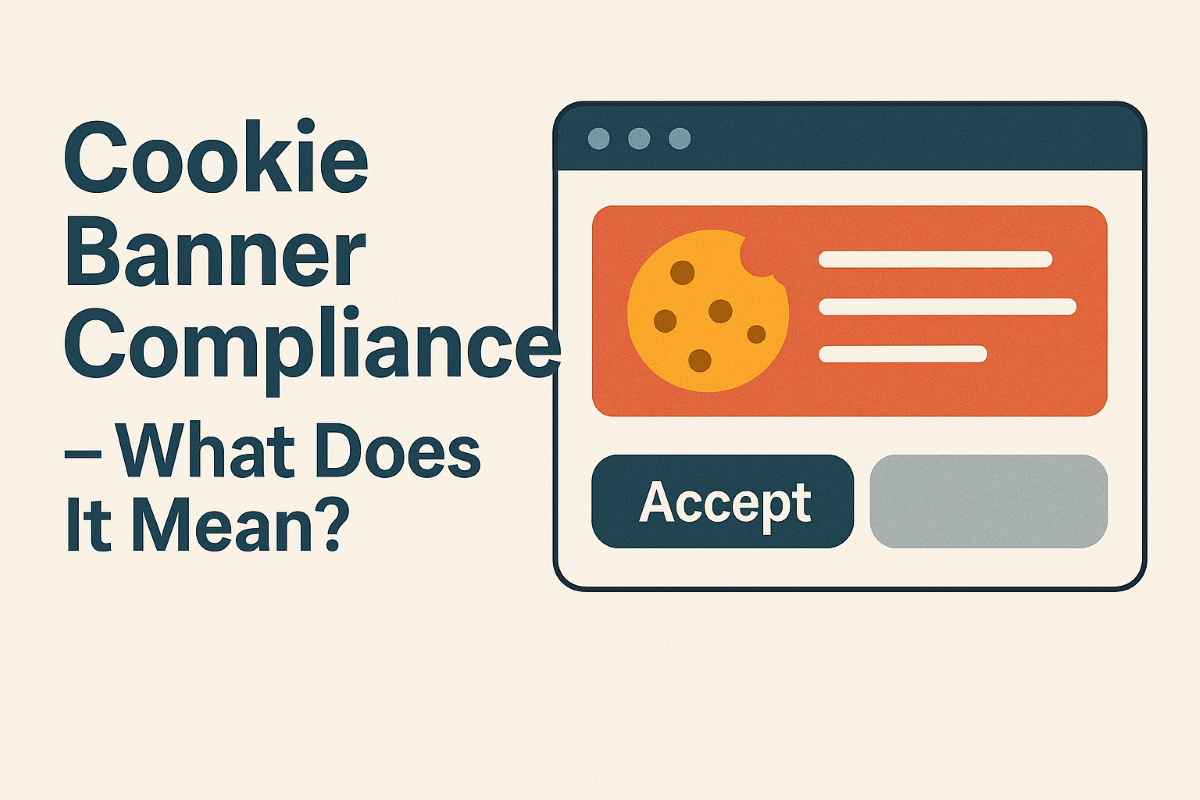
While working with digital marketing and website management, I’ve often wondered, “What exactly does cookie banner compliance – what does it mean?” To me, it’s about making sure that when we inform visitors about the cookies our website uses, we do so in a way that aligns with legal standards, like GDPR and ePrivacy. Cookie banner compliance – what does it mean isn’t just about showing a popup; it’s about transparency, consent, and respecting user privacy.
Cookie banner compliance means adhering to laws that require websites to inform users about cookies and seek their approval before storing or accessing cookies that are not strictly necessary. In my view, understanding this is crucial because non-compliance can lead to hefty fines and damage to reputation. I want to share what I’ve discovered through my research and experience about what compliance truly entails.
Why Is Cookie Banner Compliance So Important?
The importance of Cookie banner compliance – what does it mean is often underestimated by website owners who think compliance is just a bureaucratic hurdle. However, I believe it’s fundamentally about respecting user rights and building trust. When I first started working on my website’s privacy measures, I quickly realized that properly compliant cookie banners boost user confidence and demonstrate transparency.
Failing to meet Cookie banner compliance – what does it mean can lead to legal consequences, including fines from data protection authorities. Moreover, it can harm your brand’s reputation if users feel their privacy isn’t respected. I recommend that we all prioritize understanding the significance of compliance, not just to avoid penalties but to foster a trustworthy relationship with our visitors.
Key Elements of Cookie Banner Compliance – What Do You Need to Know?
The core elements of Cookie banner compliance – what does it mean involve informing users clearly about the cookies used, obtaining their explicit consent before setting non-essential cookies, and offering options to manage preferences. When I first delved into this topic, I found that transparency is the cornerstone. Cookies should be explained in simple language, and users should understand what they’re consenting to.
I’ve discovered that compliance also requires that users can easily withdraw consent or change their preferences later. This means integrating cookie management tools or preference centers into your website. I recommend implementing cookie banners that are unobtrusive yet comprehensive, ensuring users are well-informed and their choices are respected. Achieving this balance is key to truly understanding Cookie banner compliance – what does it mean.
Legal Standards and How They Shape Compliance
I’ve found that legal standards like GDPR in Europe and CCPA in California heavily influence what Cookie banner compliance – what does it mean entails. These regulations emphasize informed consent, data minimization, and user rights. When I started reviewing these laws, I realized that compliance isn’t just about ticking boxes; it’s about aligning your website practices with these principles.
I highly recommend always staying updated with legal requirements because they evolve over time. For example, the GDPR specifies that cookie banners must be explicit, non-deceptive, and enable users to opt out easily. Understanding these legal nuances helps me ensure that my website remains compliant and trustworthy. I believe that compliance should be a continuous process, not a one-time setup, especially with changing laws.
Common Challenges and My Personal Tips for Achieving Compliance
While implementing Cookie banner compliance , I’ve faced challenges such as designing banners that are both user-friendly and compliant, managing multiple cookie categories, and keeping up with legal updates. Sometimes, I found myself overwhelmed trying to balance user experience with legal requirements. From my experience, the biggest obstacle is often implementing a system that respects user choices without complicating the browsing experience.
I recommend using reputable cookie consent management platforms that simplify compliance. These tools help you categorize cookies, provide clear options, and record consent. Also, I suggest testing your banners regularly to ensure they work correctly across devices and comply with evolving laws. My advice is to view Cookie banner compliance – what does it mean as an ongoing process, not a one-off task.
Personal Tips for Staying Compliant
Staying compliant with Cookie banner compliance requires proactive measures. I recommend conducting regular audits of your cookies and scripts to ensure only necessary ones are active by default. Transparency is key, so I found that clear, concise language in your cookie banners makes a difference.
Furthermore, I suggest keeping documentation of your consent management practices, so you can demonstrate compliance if needed. Educating your team about privacy laws and best practices also plays a vital role. In my opinion, a transparent and user-centric approach is the best way to meet Cookie banner compliance – what does it mean and maintain trust with your users.
Future Trends in Cookie Banner Compliance
Cookie banner compliance is constantly evolving, especially with advancements in privacy technology and changing regulations. I’ve noticed a shift toward more cookie-less tracking options and increased user control over data. As privacy laws become stricter worldwide, I believe that cookie banners will become more sophisticated, offering granular control and better user engagement.
Staying ahead means keeping an eye on upcoming legislation and technological developments. I recommend that we all adopt flexible consent management solutions that can adapt to future requirements. For me, understanding Cookie banner compliance – what does it mean as an ongoing, evolving process is essential to maintaining compliance long-term.
References and Resources
I’ve found these resources incredibly valuable for answering questions like ‘Cookie banner compliance – what does it mean?’. I recommend checking them out for additional insights:
- GDPR.eu: Cookies and Consent
gdpr.euThis resource provides detailed guidance on GDPR requirements related to cookies and how to ensure compliance, which is essential for understanding Cookie banner compliance – what does it mean.
- ICO: Cookies and ePrivacy Regulations
ico.org.ukThe UK Information Commissioner’s Office offers practical advice on implementing cookie banners that comply with UK laws, which parallels many principles of Cookie banner compliance – what does it mean.
- European Commission: Data Privacy and Cookies
ec.europa.euThis official EU resource explains the legal framework behind Cookie banner compliance – what does it mean in Europe, including GDPR and ePrivacy rules.
- IAB: Cookie Consent Guidelines
iab.comThe Interactive Advertising Bureau offers standards and best practices for cookie consent, which I find very helpful for practical compliance strategies.
- Privacy International: Cookies and Privacy
privacyinternational.orgThis nonprofit provides insights into the privacy implications of cookies and how compliance supports user rights, which complements my understanding of Cookie banner compliance – what does it mean.
- US Privacy Shield: Cookies and Data Collection
privacyshield.govAlthough US-focused, this guide explains core concepts of cookie consent and how they relate to compliance, helping me understand broader privacy frameworks.
- W3C: Consent Management API
w3.orgThis technical standard from W3C offers insights into building compliant cookie and consent management tools, which I find useful for practical implementation of Cookie banner compliance – what does it mean.
Frequently Asked Questions
What is the main purpose of cookie banners in relation to compliance?
the main purpose of cookie banners in relation to Cookie banner compliance – what does it mean is to ensure that users are fully informed about the cookies used on a website and to obtain their explicit consent before setting non-essential cookies. This transparency helps meet legal obligations and builds trust with visitors.
How do I know if my cookie banner is compliant?
From what I’ve learned, a compliant cookie banner should be clear, concise, and provide users with options to accept, reject, or customize their cookie preferences. It should not pre-tick boxes or hide information. I recommend testing your banner regularly and consulting legal guidelines to ensure it aligns with Cookie banner compliance – what does it mean.
Is cookie consent enough for compliance?
cookie consent is a core component, but compliance goes beyond just obtaining consent. It also involves managing user preferences, providing transparency through policies, and ensuring that cookies are only used in accordance with consent. I recommend adopting a holistic approach to Cookie banner compliance – what does it mean.
What are the consequences of non-compliance?
Based on my experience, failing to comply with Cookie banner compliance – what does it mean can lead to legal fines, penalties, and damage to brand reputation. It can also result in users losing trust and opting out of tracking altogether. Therefore, I believe proactive compliance efforts are essential for long-term success.
Conclusion
In conclusion, my research on Cookie banner compliance – what does it mean has shown that it’s much more than just a legal requirement—it’s about respecting user privacy, building trust, and maintaining transparency. I believe that understanding what Cookie banner compliance – what does it mean entails is vital for any website owner or marketer aiming for ethical and legal digital practices. Based on my experience, I recommend prioritizing clear communication, continuous monitoring, and adapting to evolving laws to stay compliant and foster positive relationships with visitors. Ultimately, Cookie banner compliance – what does it mean is a fundamental aspect of responsible digital presence, and I hope this guide helps you understand its importance and implementation better.
 https://cookieconsentmonitor.com/
Find out more information about “Cookie banner compliance – what does it mean”
Search for more resources and information: