

Understanding Cookie Compliance: Why It Matters
In my experience researching digital privacy, I’ve discovered that cookie compliance is more than just a legal obligation—it’s a crucial aspect of building trust with my website visitors. When I first started exploring cookie compliance, I realized that many businesses overlook its importance, risking hefty fines and damaged reputation. From what I’ve learned, ensuring proper cookie compliance not only keeps us legally protected but also boosts customer confidence significantly.
I want to share what I’ve uncovered about the significance of cookie compliance. It involves adhering to regulations like GDPR and CCPA, which mandate transparency around how we collect, store, and process user data. In my experience, achieving cookie compliance is an ongoing process that requires clear policies and user-friendly consent mechanisms. I believe that when we prioritize cookie compliance, we foster trust and loyalty among our audience, ultimately driving better engagement and conversions.
Key Elements of Effective Cookie Compliance
Understanding User Consent
From what I’ve learned, obtaining explicit user consent is the cornerstone of cookie compliance. I recommend implementing clear, concise consent banners that inform visitors about the types of cookies you use. In my experience, forcing users to accept all cookies without understanding what they agree to can backfire, so transparency is essential.
I’ve discovered that providing users with granular control over their cookie preferences not only complies with legal standards but also shows respect for their privacy. I suggest offering options to accept, decline, or customize cookie settings, which can improve user experience and trust. With proper consent management, cookie compliance becomes a seamless part of your website’s interaction.
Clear Privacy Policies and Notices
In my research, I found that a comprehensive privacy policy is vital for cookie compliance. I recommend drafting policies that clearly explain what cookies are, why you use them, and how users can control their data. When I first started, I overlooked how many people actually read these notices, but I now see that transparency fosters confidence.
From my experience, keeping your privacy policies up-to-date with evolving regulations and making them easily accessible on your website is a best practice. This not only helps with compliance but also demonstrates that your business values ethical data handling, which in turn enhances customer trust.
Implementing Cookie Compliance in Your Business
Choosing the Right Tools
I’ve found that selecting the right cookie compliance tools is crucial for smooth implementation. In my experience, there are many solutions available—from simple plugins to comprehensive management platforms—that can help automate consent collection and cookie management. I recommend researching options that are GDPR and CCPA compliant to ensure full legal coverage.
From what I’ve learned, integrating these tools with your website’s infrastructure can save you time and reduce errors. I suggest testing different solutions to find one that offers customizable consent banners, detailed audit logs, and easy user preference management. Proper tool selection makes cookie compliance manageable and scalable.
Technical Best Practices
technical implementation of cookie compliance involves setting up proper cookie banners, scripts, and backend controls. I recommend consulting with developers or using reputable plugins to ensure cookies are only set after user consent. From what I’ve discovered, avoiding silent cookie placement is critical to maintaining compliance.
I’ve discovered that regularly auditing your cookies and scripts helps identify any non-compliant elements. Implementing strict controls and documentation around cookie usage ensures you stay aligned with legal standards and can demonstrate compliance if needed. For me, proactive management is the best way to stay ahead in cookie compliance.
Common Challenges and How to Overcome Them
Dealing with Complex Regulations
From my experience, navigating the myriad of regulations like GDPR, CCPA, and others can be overwhelming. I recommend staying informed through reputable sources and consulting legal experts when needed. When I first faced this challenge, I found that comprehensive resources and industry webinars helped clarify what is required for cookie compliance.
I believe that continuous education and adapting your policies accordingly are key to overcoming regulatory complexities. Implementing flexible consent mechanisms that can be updated easily ensures your business remains compliant as laws evolve.
Maintaining User Trust
One of the biggest challenges I’ve encountered is maintaining transparency without overwhelming users with legal jargon. I recommend keeping your cookie notices simple, straightforward, and user-friendly. In my experience, clear communication about how cookies benefit users, like personalized experiences, encourages acceptance rather than resistance.
From what I’ve seen, building trust through honest disclosure and respecting user choices leads to better engagement. I suggest regularly reviewing your consent process to ensure it remains transparent and non-intrusive, which is vital for effective cookie compliance.
Future Trends in Cookie Compliance
Emerging Technologies and Regulations
the future of cookie compliance will be shaped by new technologies like AI and machine learning, which can help automate compliance and data privacy management. I’ve discovered that staying ahead of these trends requires continuous learning and adaptation.
I recommend monitoring updates from regulatory bodies and industry leaders to anticipate changes. From my research, I believe that more privacy-focused browsers and tools will make cookie compliance even more integral to digital marketing strategies.
Enhanced User Control and Privacy
Based on what I’ve learned, users are demanding greater control over their data, which will influence future cookie compliance practices. I believe that transparency and ease of managing preferences will become standard expectations.
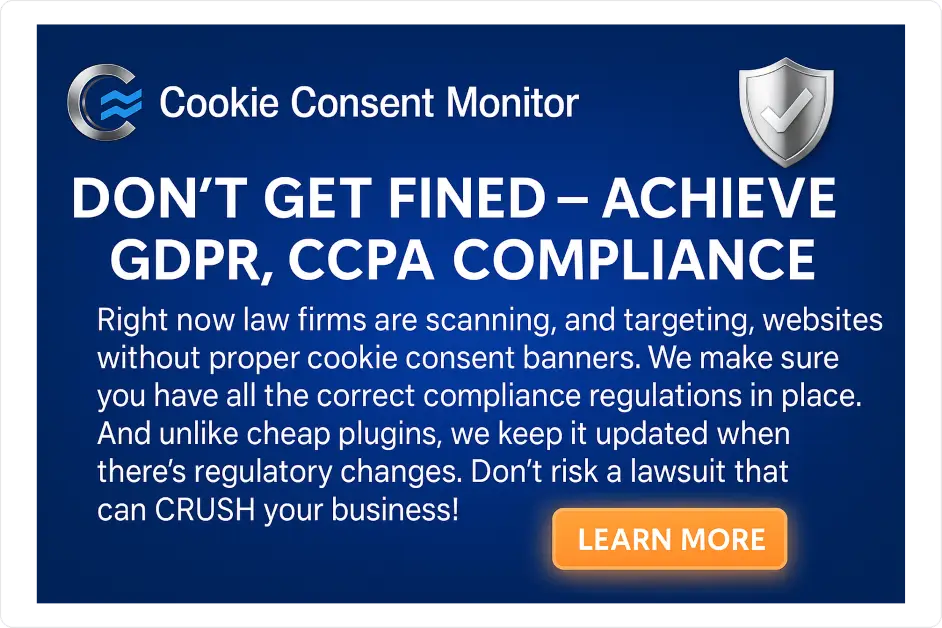
I recommend businesses invest in more intuitive consent management solutions that empower users to control their data effortlessly. Embracing these trends will not only ensure compliance but also strengthen customer relationships and brand loyalty.
References and Resources
Throughout my research on cookie compliance, I’ve found these resources incredibly valuable. I recommend checking them out for additional insights:
Authoritative Sources on cookie compliance
-
GDPR.eu – General Data Protection Regulation
gdpr.euThis site offers comprehensive guidance on GDPR requirements, including cookie compliance mandates and best practices to protect user privacy.
-
Federal Trade Commission (FTC)
ftc.govThe FTC provides guidelines on online privacy and data security, which are crucial for maintaining compliance and consumer trust.
-
International Association of Privacy Professionals (IAPP)
iapp.orgThis organization offers resources, certifications, and updates on privacy laws impacting cookie compliance worldwide.
-
European Commission – Data Protection
ec.europa.euOfficial EU guidelines and regulations that shape cookie compliance practices across member states.
-
Wired – Privacy & Security
wired.comLatest articles and insights on evolving privacy tech, including trends affecting cookie compliance.
-
Privacy Shield Framework
privacyshield.govGuidelines on cross-border data transfers and compliance strategies related to cookie compliance.
-
National Institute of Standards and Technology (NIST)
nist.govProvides frameworks and standards for data security and privacy, which are instrumental for cookie compliance.
FAQ Section
What is cookie compliance and why is it important?
cookie compliance refers to adhering to laws and regulations that govern how we collect and manage user data through cookies. I believe it’s important because it protects user privacy, helps avoid legal penalties, and builds trust with visitors, which is vital for long-term success.
How can I ensure my website is cookie compliant?
From what I’ve learned, ensuring cookie compliance involves implementing transparent consent banners, providing detailed privacy policies, and choosing the right tools to manage user preferences. I recommend regularly auditing your site to keep everything up-to-date with current laws.
What are some common mistakes in cookie compliance?
common mistakes include not obtaining explicit user consent, using silent cookies, and failing to update privacy policies. I recommend prioritizing transparency and user control to avoid these pitfalls and stay compliant.
How does cookie compliance affect customer trust?
I believe that transparent cookie compliance practices demonstrate respect for user privacy, which naturally builds trust. When customers see clear notices and have control over their data, they feel more confident engaging with your brand.
What are the future trends in cookie compliance?
In my view, future trends will focus on greater user control, privacy-first technologies, and evolving legal standards. I recommend staying informed through authoritative sources and adopting flexible compliance solutions to adapt to these changes smoothly.
Conclusion
In conclusion, my research on cookie compliance has shown that it is not just a legal requirement but a vital component of building trust and credibility online. I believe that by implementing transparent practices, choosing the right tools, and staying updated on regulations, we can ensure our websites are compliant and our users feel respected. Based on my experience, embracing cookie compliance as a core part of our digital strategy will pay dividends in trust, legal peace of mind, and customer loyalty. I hope this guide helps you navigate the complexities and unlock the benefits of effective cookie compliance.

Find out more information about “cookie compliance”
Search for more resources and information: