
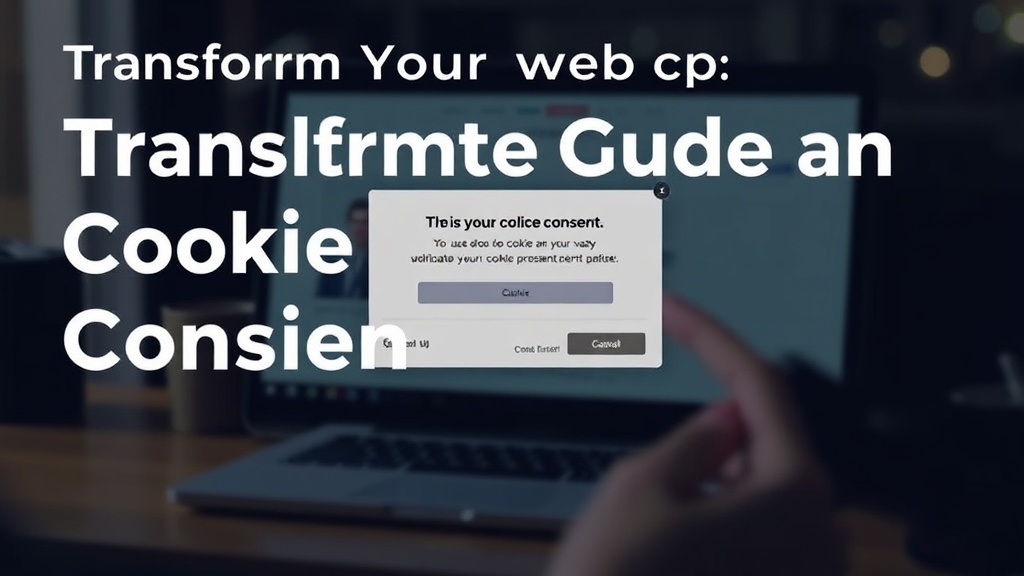
Understanding the Importance of a Cookie Consent Banner
In my experience with website optimization and privacy compliance, I’ve found that a well-crafted cookie consent banner is more than just a legal requirement—it’s a crucial element that builds trust with my visitors. When I first started paying attention to this, I realized how much a clear, transparent cookie consent banner could impact user experience and my website’s credibility. From what I’ve learned, having a noticeable and user-friendly cookie consent banner can significantly reduce bounce rates and improve engagement.
In the digital age, I believe that respecting user privacy is not optional. My personal journey with websites has shown me that a cookie consent banner serves as the first touchpoint for transparency. It’s essential that I communicate clearly about the cookies I use, why I use them, and how users can control their preferences. This approach not only helps me stay compliant but also fosters a sense of trust and loyalty among my audience.
Designing an Effective Cookie Consent Banner
Choosing the Right Style and Placement
the design of the cookie consent banner can make or break its effectiveness. I’ve discovered that a minimalistic, unobtrusive banner placed at the bottom of the page tends to perform well without interrupting the user experience. From what I’ve researched, it’s important that the banner is easily visible but not intrusive—striking a balance that respects user attention.
I recommend experimenting with colors, fonts, and wording to match your website’s branding. When I designed my own banners, I always ensured that it was straightforward and visually aligned with my site’s aesthetic. A clear call-to-action, such as “Accept Cookies” or “Manage Preferences,” makes a big difference in encouraging user interaction. Remember, a cookie consent banner that’s too aggressive or confusing can turn visitors away, so I always prioritize clarity and simplicity.
Content and Messaging for Your Cookie Consent Banner
From my research, I’ve found that the messaging on the cookie consent banner should be concise, transparent, and friendly. I try to use plain language to explain what cookies are and why I use them. For example, I include a brief statement like, “We use cookies to improve your experience and analyze site traffic,” along with links to more detailed policies.
I believe that providing options—such as “Accept All,” “Customize Settings,” and “Reject Non-essential”—empowers users and increases trust. Personally, I always include a link to my cookie policy and privacy policy within the banner, making it easy for users to learn more if they wish. A well-crafted message can turn a legal obligation into a positive touchpoint for user engagement.
Legal Compliance and Best Practices
Understanding GDPR and CCPA Requirements
complying with regulations like GDPR and CCPA is a must when it comes to cookie consent banner implementation. I’ve discovered that these laws require clear, informed consent before setting non-essential cookies. From what I’ve learned, a compliant cookie consent banner must provide users with the ability to accept, reject, or customize their cookie preferences.
I recommend staying updated on legal requirements because they can change over time. When I first started, I made sure to include detailed options for users to manage their consent, which not only kept me compliant but also enhanced user trust. My advice is to always include a straightforward way for visitors to change their preferences later, ensuring ongoing compliance and transparency.
Best Practices for Legal Compliance
Based on my experience, the best way to ensure your cookie consent banner is legally sound is to be transparent and user-centric. I always make sure that the banner clearly states what cookies are used for and gives control to the visitor. From my research, I’ve found that using a layered approach—banner with a link to a detailed policy—is highly effective.
I recommend testing your cookie consent banner with real users to identify any confusing language or design issues. Making the process simple and respectful of user choices is key. Remember, compliance isn’t just about avoiding fines; it’s about building a trustworthy relationship with your audience.
Tools and Plugins for Your Cookie Consent Banner
Popular Tools and Their Features
choosing the right tool can simplify implementing an impactful cookie consent banner. I’ve used several plugins and platforms, and I’ve found that options like Cookiebot, OneTrust, and Borlabs Cookie offer robust features. These tools help ensure compliance, customize banners, and manage user preferences seamlessly.
From what I’ve learned, I recommend selecting a tool that integrates well with your website platform and offers customizable templates. When I installed my first cookie consent banner using a plugin, I appreciated how easy it was to tailor the appearance and functionality without coding. Investing in a reliable tool saves time and helps maintain ongoing compliance effortlessly.
Implementing Your Cookie Consent Banner
Based on my experience, the implementation process is straightforward if you choose the right tool. I typically start by configuring the banner to match my site’s branding, then set up cookie categories and user preferences. Once the banner is live, I test it across different devices and browsers to ensure it functions smoothly.
I recommend regularly reviewing analytics and user feedback to improve your cookie consent banner. Sometimes, small tweaks—like adjusting wording or placement—can significantly increase acceptance rates. From what I’ve found, a transparent, user-friendly design encourages visitors to make informed choices, which benefits both compliance and user trust.
Measuring Success and Optimization
Tracking User Interaction with Your Cookie Consent Banner
monitoring how users interact with my cookie consent banner is essential for optimization. I use analytics tools to see how many visitors accept, reject, or customize their cookie settings. From what I’ve learned, this data helps me understand visitor behavior and improve the banner’s effectiveness.
I recommend setting up clear tracking for consent choices, so you can identify drop-off points or confusion. When I first analyzed my data, I discovered that overly complex language or poor placement reduced acceptance rates. Adjusting these elements based on real data has helped me create a more impactful and user-friendly cookie consent banner.
Optimizing for Better Engagement and Compliance
Based on my research, ongoing optimization is key. I’ve found that periodically updating the wording, design, and options in my cookie consent banner leads to higher acceptance and better compliance. Testing different messages and placements allows me to refine the user experience continuously.
I recommend A/B testing different versions of your cookie consent banner to see what resonates best with your visitors. My goal is always to strike a balance between legal compliance and user engagement, ensuring that my site remains trustworthy and transparent.
References and Resources
Throughout my research on cookie consent banner, I’ve found these resources incredibly valuable. I recommend checking them out for additional insights:
Authoritative Sources on cookie consent banner
-
GDPR.eu – Cookies and Consent
gdpr.euA comprehensive guide on GDPR compliance related to cookies and consent practices, which helped me understand legal nuances for my cookie consent banner.
-
Cookie Consent Design Best Practices
usabilitygeek.comThis resource provided me with actionable tips on designing a user-friendly cookie consent banner that balances compliance and usability.
-
Cookiebot Guide to Cookie Consent Banners
cookiebot.comA detailed overview of how to implement and optimize cookie consent banners for maximum effectiveness and compliance.
-
European Commission – Data Protection and Cookies
ec.europa.euOfficial guidelines on data protection regulations that influence how I design and implement my cookie consent banner.
-
OneTrust – GDPR & Cookie Compliance
onetrust.comProvides practical tools and insights for managing cookie consent and ensuring compliance across different jurisdictions.
-
Privacy.org – Best Practices for Cookie Consent
privacy.orgA helpful guide on creating transparent and user-friendly cookie consent banners that respect privacy laws.
-
The Toolkit – Cookie Banner Implementation
thetoolkit.comPractical advice on selecting, customizing, and deploying cookie banners for different website types and audiences.
-
W3.org – Cookies and Privacy
w3.orgOfficial standards and best practices that I follow to ensure my cookie consent banner aligns with web development norms.
Frequently Asked Questions
What is a cookie consent banner, and why is it important?
a cookie consent banner is a user interface element that informs visitors about the cookies used on the website and seeks their consent. I believe it’s crucial because it ensures transparency, respects user privacy, and helps me stay compliant with laws like GDPR and CCPA. Without a well-implemented banner, I risk legal penalties and damaging my site’s reputation.
How do I create an effective cookie consent banner?
From what I’ve learned, creating an effective cookie consent banner involves clear messaging, user-friendly design, and easy options for managing preferences. I recommend keeping it simple, aligning it with your website’s branding, and providing detailed links to policies. Testing different versions and gathering user feedback are also key steps to optimize its impact.
What are the legal considerations for my cookie consent banner?
complying with GDPR, CCPA, and other privacy laws is essential. I found that my cookie consent banner must provide explicit options to accept or reject cookies and inform users about what data is collected. Regularly reviewing legal updates and adjusting my banners accordingly helps me maintain compliance and build trust.
What tools can I use to implement a cookie consent banner?
platforms like Cookiebot, OneTrust, and Borlabs Cookie have been invaluable because they offer customizable, compliant solutions. I recommend choosing a tool that integrates seamlessly with your website, offers multiple customization options, and allows for easy management of user preferences. These tools simplify the entire process and ensure ongoing compliance.
How can I optimize my cookie consent banner for better user engagement?
Based on my experience, I optimize my cookie consent banner by monitoring user interactions, testing different designs, and refining the messaging. A/B testing different wording or placements has helped me increase acceptance rates. I also focus on transparency and simplicity to ensure visitors feel comfortable managing their preferences.
Conclusion
In conclusion, my research on cookie consent banner has shown me how vital this element is for both legal compliance and user trust. I believe that a well-designed, transparent, and user-centric cookie consent banner can transform your website’s privacy stance into a competitive advantage. I hope this guide helps you craft an impactful cookie consent banner that not only meets legal standards but also enhances your visitors’ experience. Based on my experience, investing time in designing and optimizing your cookie consent banner will pay off in terms of trust, compliance, and overall site reputation.

Find out more information about “cookie consent banner”
Search for more resources and information: