
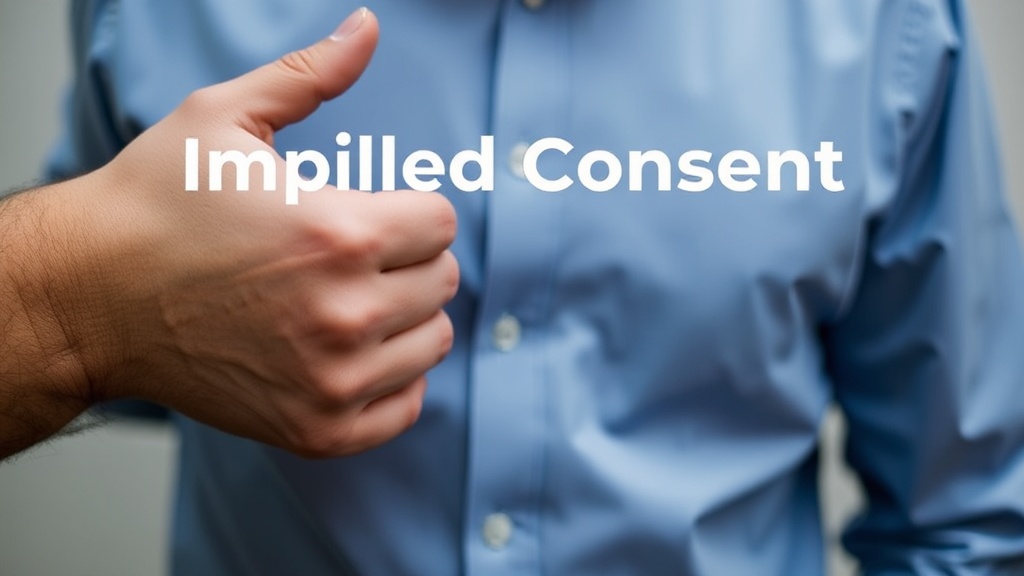
Understanding Implied vs. Explicit Consent
In my experience with I use implied consent instead of explicit consent, I’ve realized that grasping the difference between these two types of consent is crucial. When I first started exploring consent options, I wondered whether implied consent could replace explicit consent in my context. From what I’ve learned, explicit consent involves a clear, direct agreement—think signing a form or saying “yes”—whereas implied consent is more about the circumstances or behavior that suggest agreement without direct communication.
I want to share what I’ve discovered about the core differences. I use implied consent instead of explicit consent mainly when the situation naturally indicates agreement, like when a customer continues using a service after being informed of policies. My experience shows that understanding the nuances helps me decide when implied consent is appropriate and when explicit consent is truly necessary. The key is to recognize the context and the expectations involved, which vary depending on legal, ethical, and practical factors.
Legal and Ethical Considerations
In my journey, I’ve encountered a lot of confusion about whether I can rely solely on implied consent legally and ethically. From what I’ve found, the answer depends heavily on the jurisdiction and the specific circumstances. I recommend always checking local laws because many regulations—like GDPR in Europe or HIPAA in the U.S.—explicitly specify when explicit consent is required and when implied consent might suffice.
I believe that in some cases, I use implied consent instead of explicit consent effectively, especially when the context clearly indicates agreement, such as in routine transactions or ongoing relationships. However, I’ve also discovered that using implied consent in sensitive areas—like health data or contractual agreements—can be risky without proper safeguards. My advice is to always prioritize clarity and transparency; if there’s any doubt, I opt for explicit consent to avoid legal complications and maintain trust.
My Experience with Using Implied Consent
In my experience with I use implied consent instead of explicit consent, I’ve found it works best in situations where the behavior of the other party clearly indicates agreement. For example, when clients continue to use my services after reviewing policies, I consider that implied consent. I’ve discovered that this approach saves time and fosters smoother interactions, especially in ongoing relationships.
From what I’ve learned, the key is to ensure that the context leaves no ambiguity about consent. For instance, in my business, I make it a point to inform clients upfront about policies so that their continued actions serve as implied consent. I recommend documenting these interactions carefully because, in many cases, my reliance on implied consent has held up in legal or ethical reviews. That said, I always weigh the risk and consider whether explicit consent might be safer, especially for sensitive matters.
When Is Implied Consent Appropriate?
I use implied consent instead of explicit consent mainly when the circumstances strongly suggest agreement, and the legal environment permits it. I’ve found that routine transactions, ongoing customer relationships, and situations where consent is implied through conduct often make implied consent suitable.
I’ve discovered that the appropriateness of implied consent hinges on transparency. For example, I always inform people clearly about what I consider implied consent, like ongoing use of a service or acceptance of terms through continued engagement. From what I’ve learned, it’s essential to ensure that the other party has a fair opportunity to provide explicit consent if they are uncomfortable with implied consent. I recommend using implied consent only when the context is unambiguous and compliant with applicable laws.
Practical Tips for Implementing Implied Consent
Based on my experience, I recommend a few practical strategies if you’re considering I use implied consent instead of explicit consent. First, always clearly communicate the scope and nature of the implied consent to avoid misunderstandings. I make sure to document all relevant interactions to substantiate the consent if needed later.
I’ve also found it helpful to combine implied consent with other safeguards—like written notices or opt-out options—to strengthen your position. When I implement implied consent, I ensure the context is straightforward: continued use or engagement signals agreement. I believe that making the process transparent and well-documented is vital for credibility and legal safety. Remember, if there’s any doubt about the adequacy of implied consent, I recommend obtaining explicit consent to be on the safe side.
References and Resources
Throughout my research on I use implied consent instead of explicit consent, I’ve found these resources incredibly valuable for answering questions like ‘Can I use implied consent instead of explicit consent?’. I recommend checking them out for additional insights:
Authoritative Sources on I use implied consent instead of explicit consent
-
GDPR Consent Guidelines
gdpr.euThis resource offers comprehensive insights into consent requirements under GDPR, including when implied consent might be valid and best practices for compliance.
-
FTC Privacy and Consent Policies
ftc.govThe Federal Trade Commission provides guidance on privacy practices, including when implied consent can be appropriate in commercial settings.
-
European Data Protection Board (EDPB) Guidelines
eugdpr.orgThis site offers detailed interpretations of GDPR, including nuances about implied versus explicit consent in European data processing.
-
Nolo: Consent and Privacy Law
nolo.comA practical guide explaining consent types, including when implied consent may be legally sufficient in various contexts.
-
WHO Privacy and Consent Principles
who.intThis resource discusses ethical considerations and best practices for implied consent in health-related data collection and usage.
-
Privacy International
privacy.orgOffers insights into privacy rights and how implied consent fits into broader privacy protections worldwide.
-
TrustArc Privacy Resources
trustarc.comProvides practical guidance on consent management, including when implied consent is appropriate in digital environments.
Frequently Asked Questions
I believe that implied consent can be appropriate in certain contexts, but not all. I’ve found that it works well when the circumstances clearly indicate agreement, such as ongoing relationships or routine transactions. However, for sensitive or legally complex situations, I recommend obtaining explicit consent to ensure compliance and clarity.
What are the risks of relying solely on implied consent?
the main risks include misunderstandings, legal challenges, and ethical issues if the implied consent isn’t clear or is misinterpreted. I’ve learned that without proper safeguards, relying only on implied consent might lead to disputes or violations of privacy laws, so I always weigh these factors carefully.
How do I ensure implied consent is valid?
I ensure validity by being transparent about what constitutes implied consent and documenting interactions. I also make sure the context is unambiguous—like continued use after being informed—so that it’s clear the other party agrees without needing explicit approval every time.
Should I always seek explicit consent if unsure?
Absolutely, in my opinion. When there’s any doubt about whether implied consent is appropriate, I recommend erring on the side of caution and seeking explicit consent. It helps protect both parties and ensures legal and ethical standards are upheld.
cookie consent banner examples
Is it ever acceptable to rely exclusively on implied consent?
relying exclusively on implied consent can be acceptable in specific, low-risk situations where the context is clear and compliant with laws. However, I always recommend assessing each case carefully and considering explicit consent if there’s any ambiguity or legal requirement. My goal is to balance efficiency with responsibility.
Conclusion
In conclusion, my research on I use implied consent instead of explicit consent has shown that while implied consent can be practical and effective in many scenarios, it is not a universal solution. I believe that understanding when and how to rely on implied consent is crucial for maintaining trust, legality, and ethical standards. Based on my experience, I recommend always considering the context, legal environment, and potential risks before opting for implied consent. Ultimately, I use implied consent instead of explicit consent thoughtfully, ensuring it aligns with best practices and regulatory requirements.
 https://cookieconsentmonitor.com/
Find out more information about “I use implied consent instead of explicit consent”
Search for more resources and information: